Blog
Blog
All posts · page 9.
145 posts
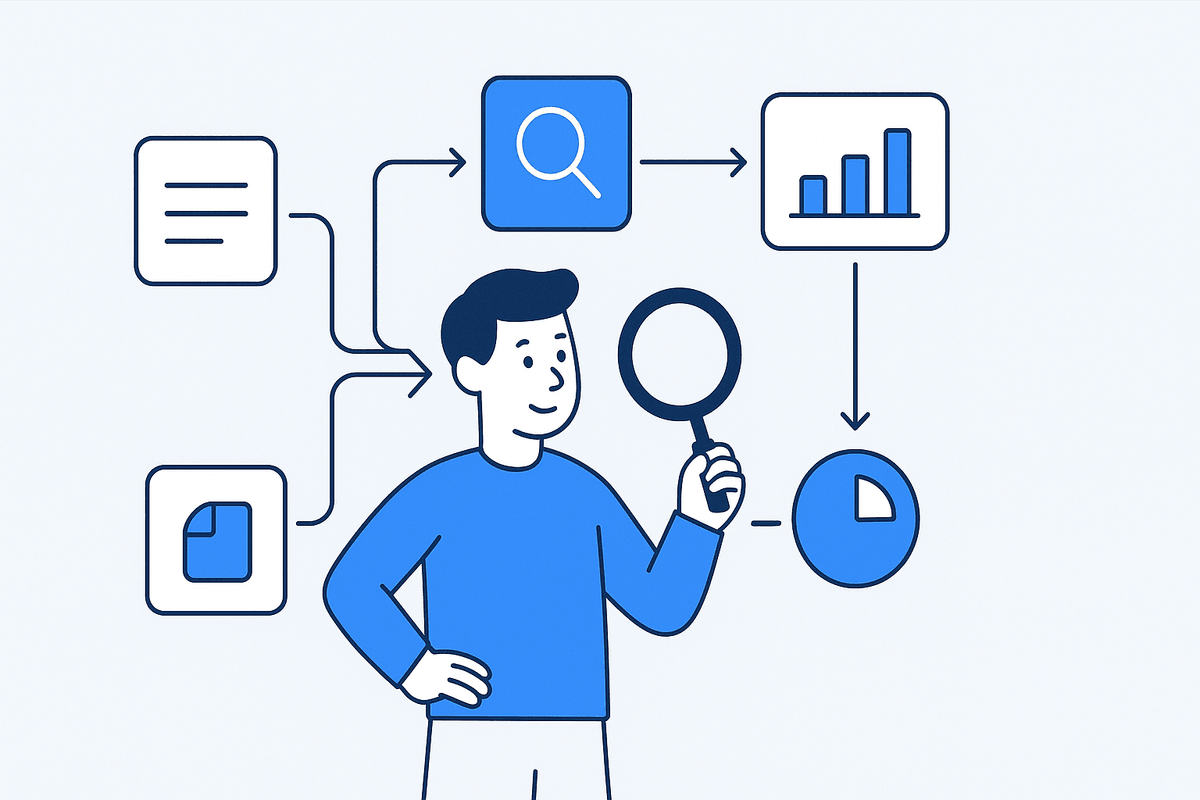
What is query fan-out? Watch AI split one question
Query fan-out is how AI expands one question into many sub-searches. Which questions fan out deeper, how to observe it, and how language changes it.

Open-Weight vs. API Models: Own a Domain Model with Hermes
Own the model instead of renting it: why open weights, open vs. API models, Nous Research Hermes 4.3, its function-calling standard, and the data flywheel.

Can Search Console's AI report alone measure GEO?
Search Console's AI report is a starting point for GEO measurement, not a finished dashboard. What it shows, what's missing, and how Korean sites can start.

What Is Harness Engineering? Why the Same LLM Differs
The harness around the model keeps agents safe and steady: how it differs from prompting, scoped tools, hooks, layered context, verification, MCP self-call.

10 Copywriting Psychology Principles: Loss Aversion and More
What copy works on hesitant buyers? Ten persuasion principles, from loss aversion and anchoring to social proof and reciprocity, with examples and words.

What GEO doesn't need: llms.txt, AI schema, AI-only style
Google is clear: GEO is not new magic but an extension of SEO basics. Is llms.txt required, is there AI-only schema, and how do you check agency claims?

What Is an AI Agent? Permissions and Approval Gates
Autonomous AI agents, as popularized by OpenClaw (formerly Moltbot): prompts vs. agents, the risks of broad permissions, and why you need human approval gates.
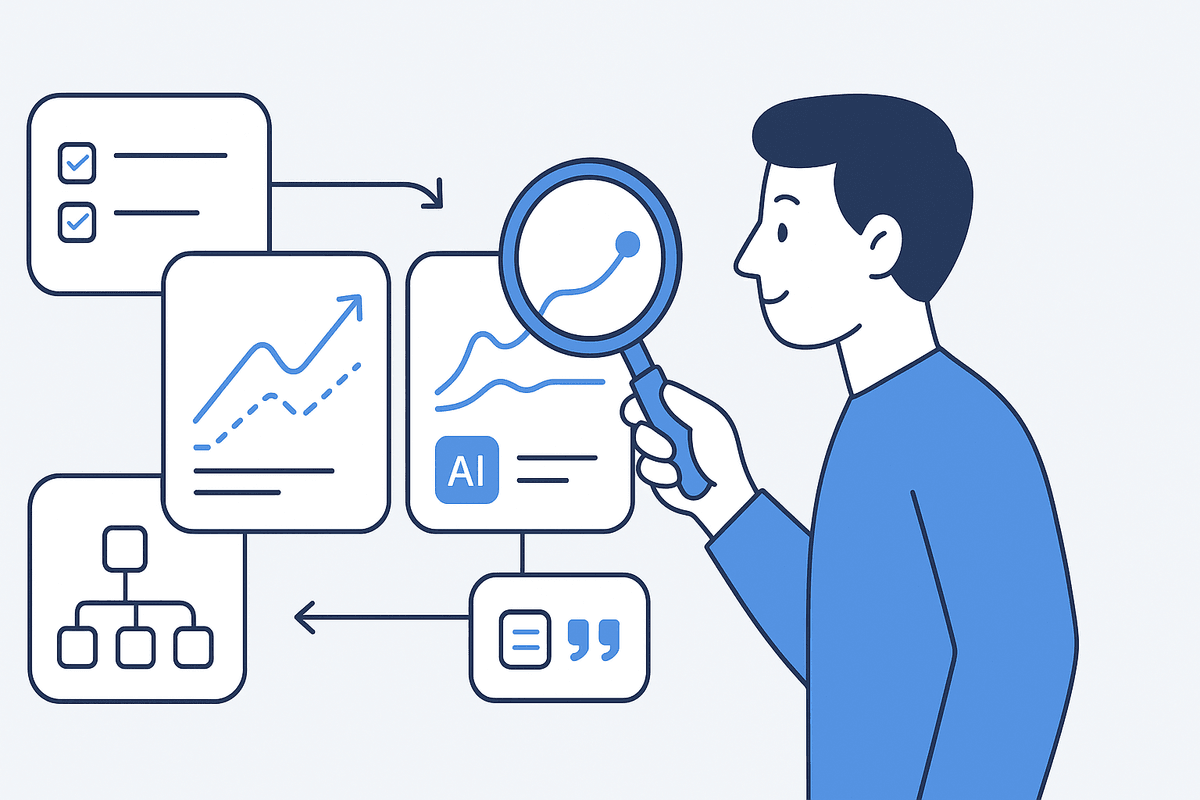
Traffic Dropped After a Core Update? Split SEO and GEO
Analyze a Google core update by putting SEO metrics and GEO signals on the same timeline but interpreting them separately. What to check first, and why.

What Is Vibe Coding? Its Limits and the AI Code Check Loop
Vibe coding means AI writes code from your intent. What it solved, where it breaks, how it differs from agentic coding, and how to add a verification loop.
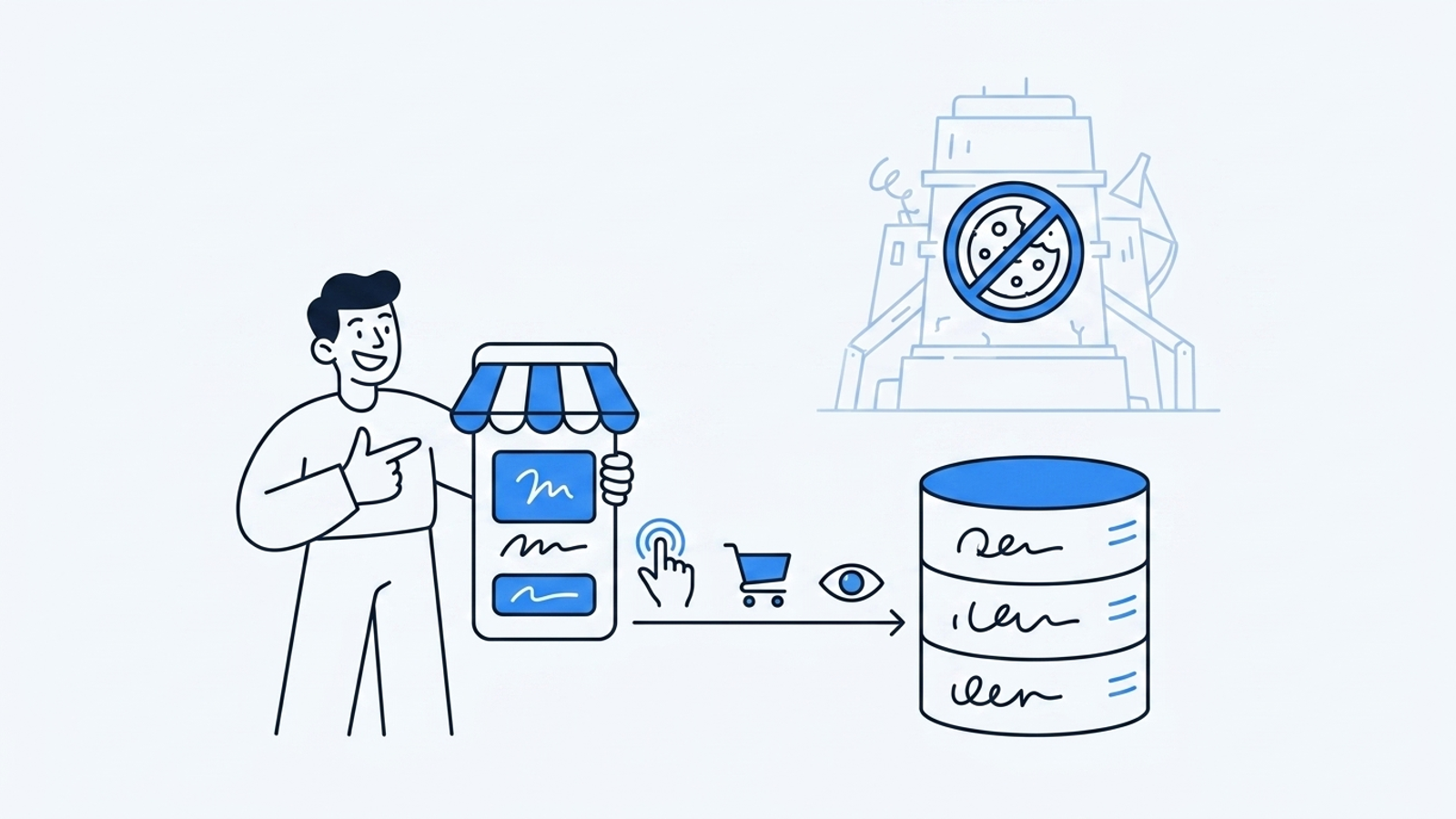
What Is First-Party Data? Marketing After 3rd-Party Cookies
As third-party cookies fade, first-party data shows customer intent directly. What it means, how it differs from third-party data, and how marketers can use it.