Blog
Blog
All posts · page 4.
145 posts

Which content types AI cites, by search intent
The content type AI search cites flips with intent: articles lead informational prompts (45.5%), listicles lead commercial ones (40.9%).
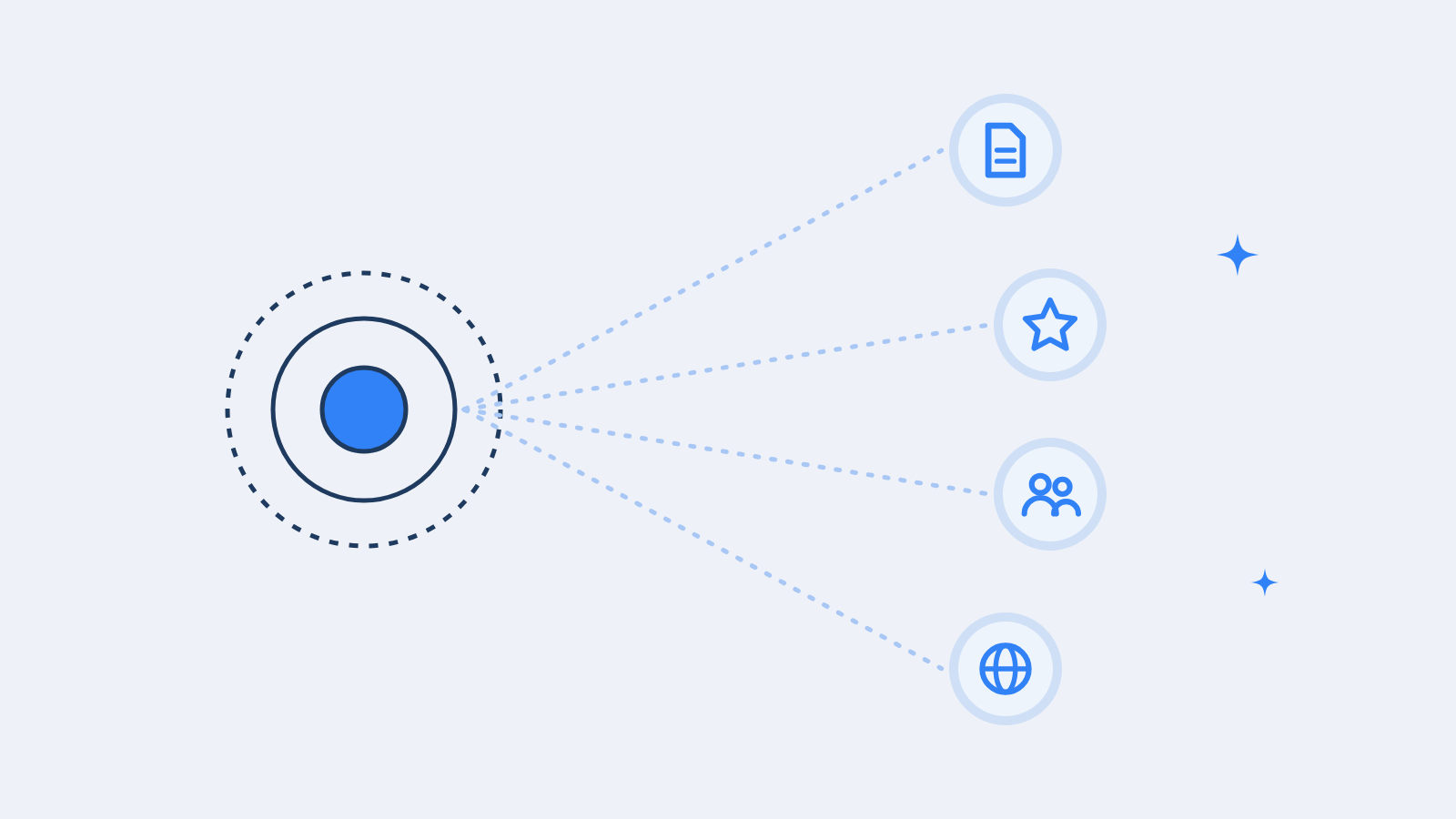
Adding a diversity reward to query fan-out: Google's R4T
R4T trains query fan-out on groundedness, diversity, and alignment rewards, then distills it into a small diffusion model. Is that diversity right for search?
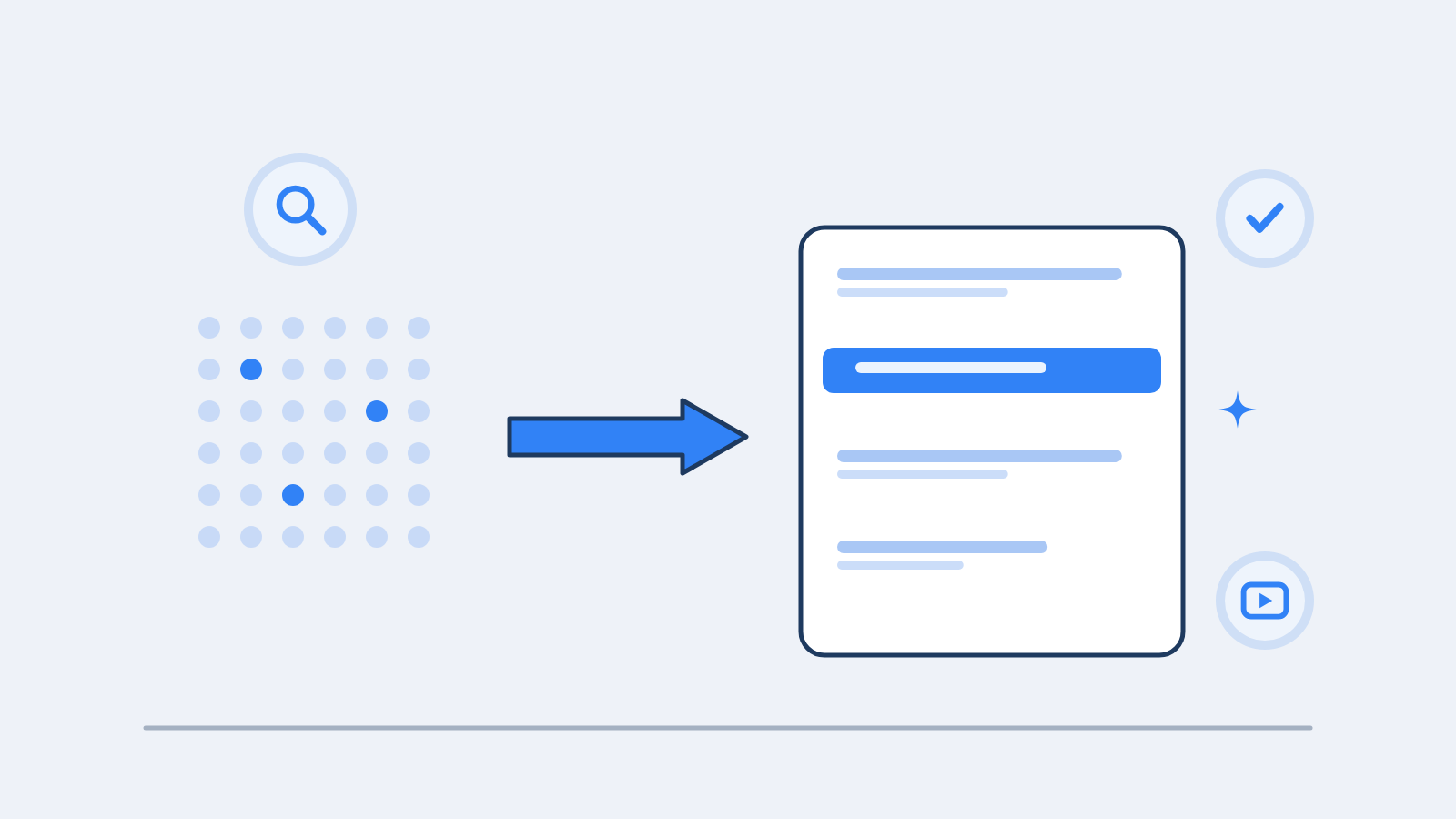
How are retrieval and citation different in AI search?
Retrieval and citation are different stages in AI search. Does ChatGPT cite YouTube? Why our content is missing from AI answers, and what zero citations mean.
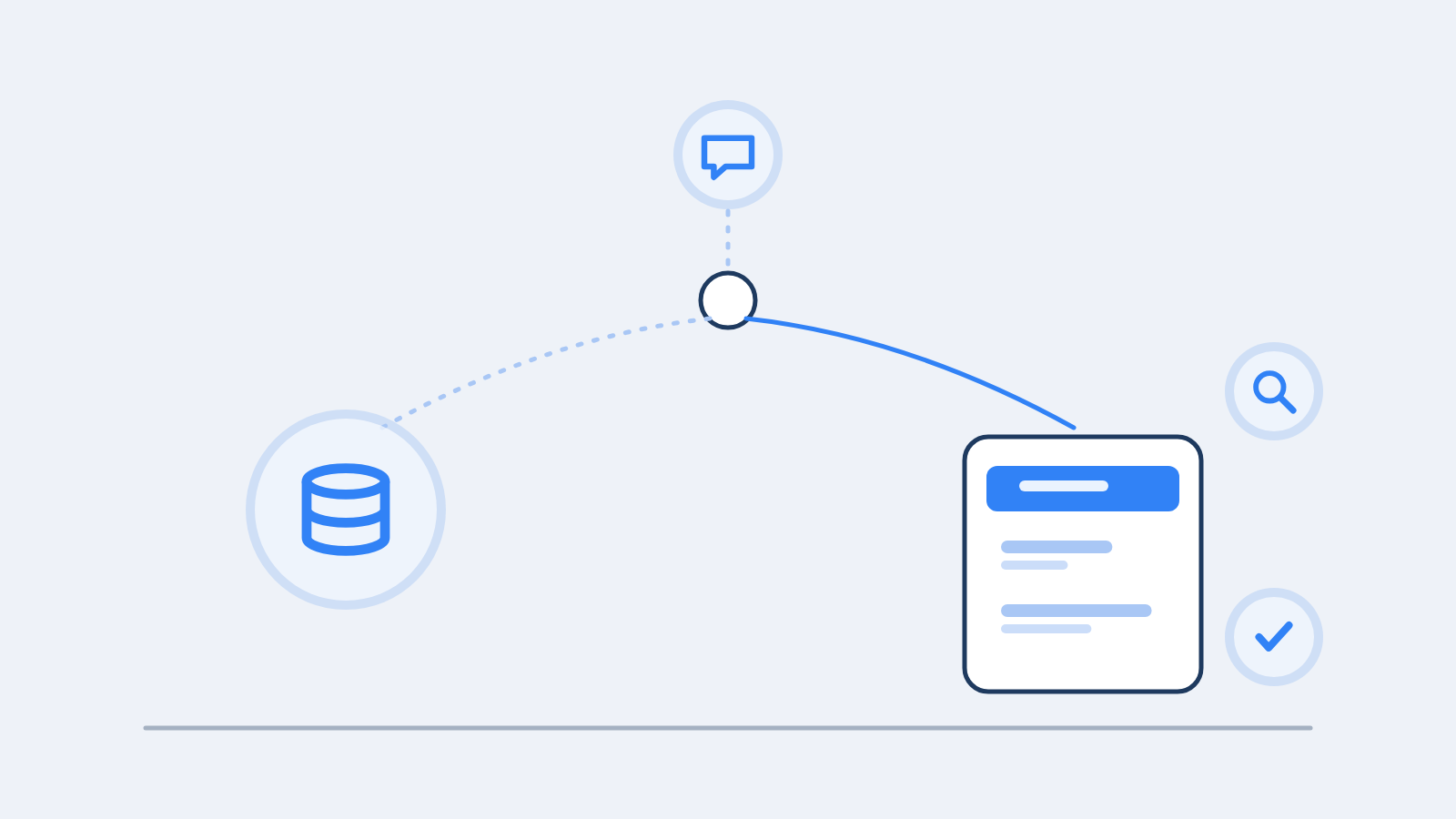
The LLMO trap: training data vs. AI answer citations
Seeding your brand in LLM training data and getting cited in AI answers are different mechanisms. How they differ, what you can measure, and why advice splits.

What marketers worry about most in AI search: reporting data
Marketers worry less about vanishing from AI search than about lacking reliable reporting. We checked whether that differs by company size.
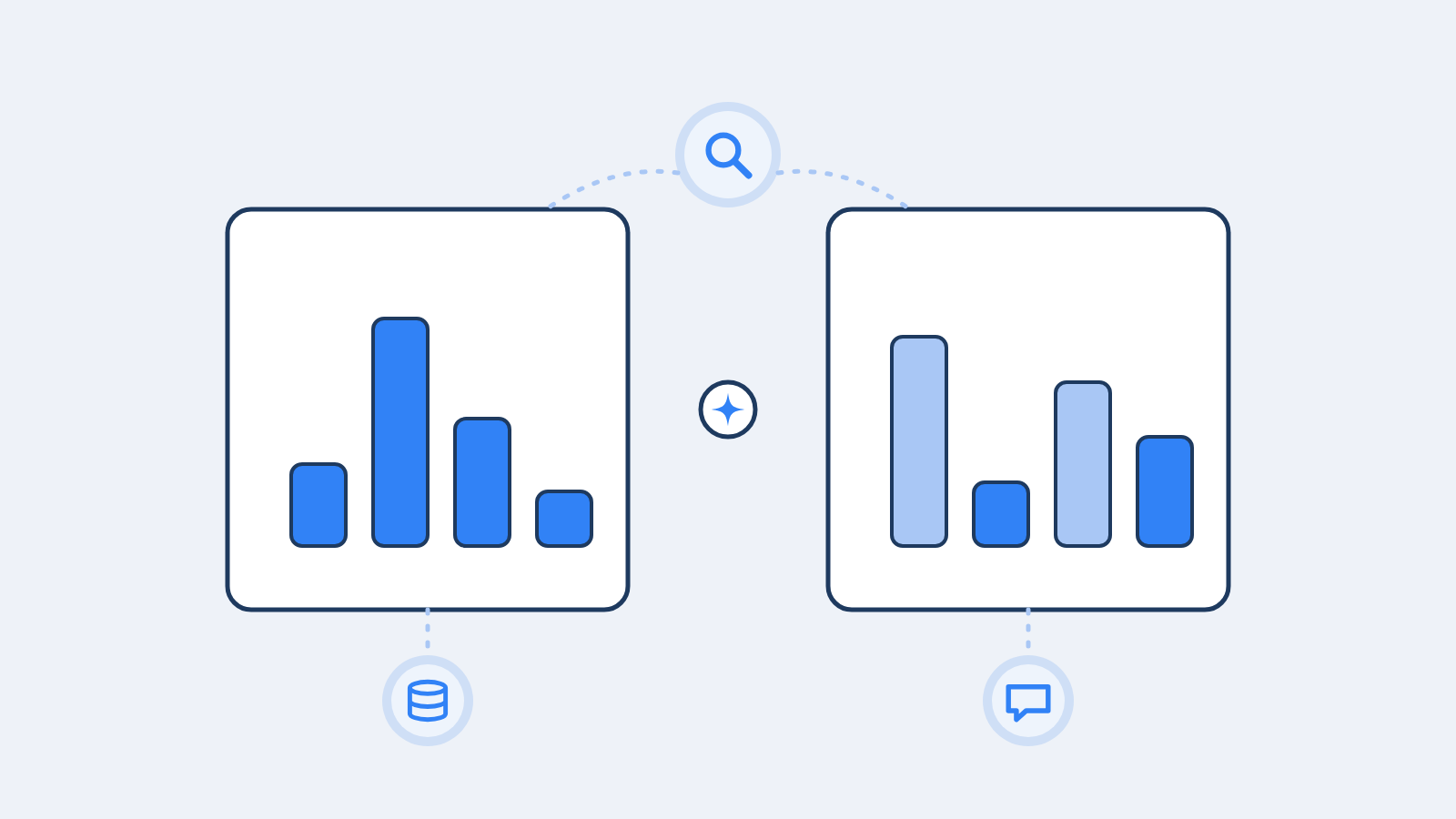
Should AI visibility be measured through the API or the UI?
The same prompts through the ChatGPT API and UI shift brand visibility 41% on average and change cited sources. What to check when choosing a measurement tool.

When ChatGPT cites Google's store page instead of yours
ChatGPT sometimes cites Google's store page (google.com/storepages) instead of the seller's own site. Why the source domain matters, by market.

Does putting the year in the title increase AI citations?
The 170% claim mixes a string effect with a recency effect. How much recency matters for AI search citations, and how to test the effect with a 2×2 experiment.
0% vs unmeasured in an AI visibility report: how to tell
In an AI visibility report, 0% means measured and absent; unmeasured means no value. How to tell them apart, calculate share of voice, and set run counts.
Why channel ROI shouldn't be one number: Bayesian MMM
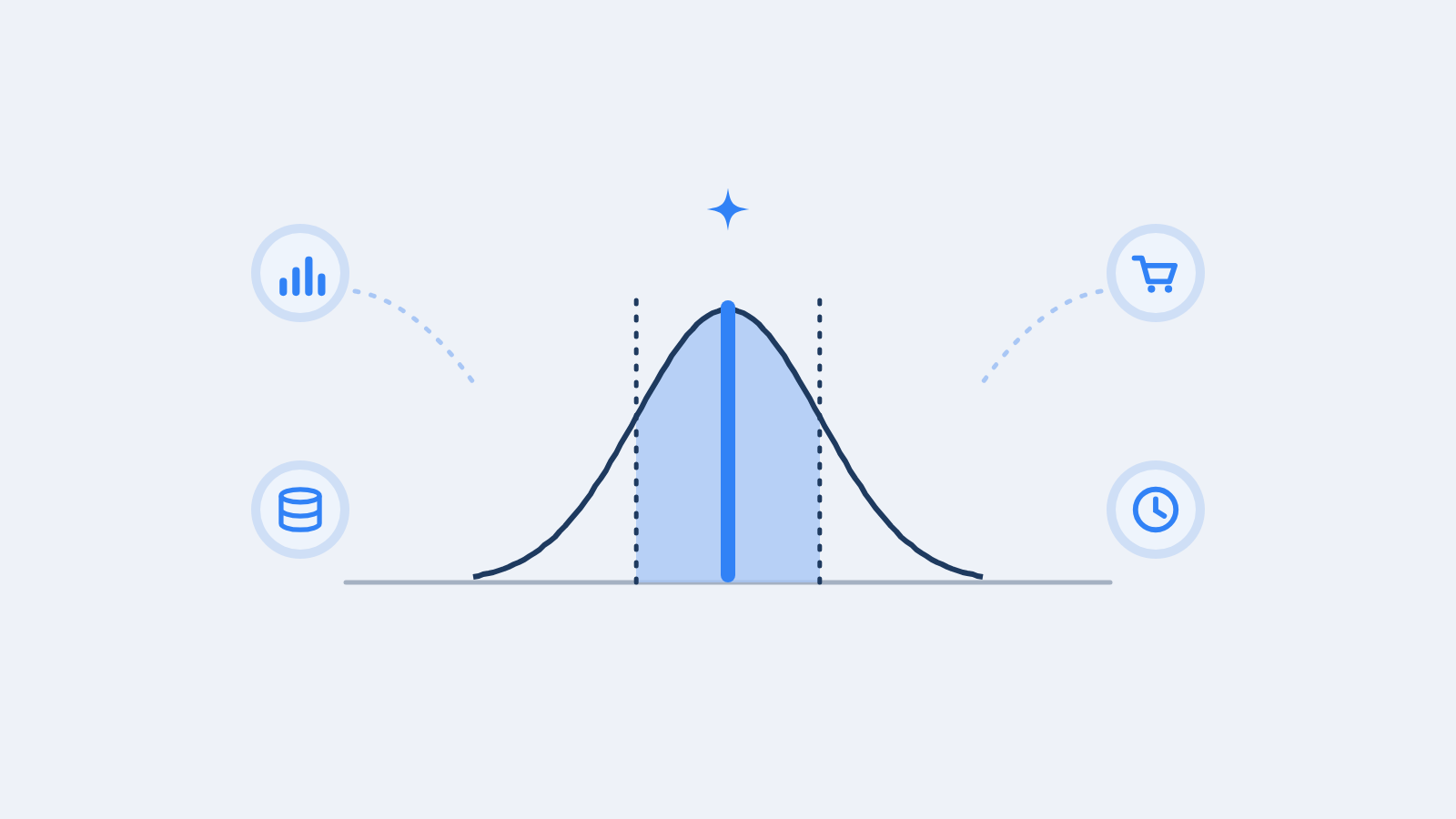
A single channel ROI hides whether your data supports it. How to read Bayesian MMM credible intervals, and the roles of data, priors, and experiments.