
Why Reddit search grew again: AI cites community signals
Why does AI pull from community posts instead of official pages?
AI answers favor real community reviews, comparisons, and complaints over official feature lists. How brands can use community signals, by industry.
AI search often pulls from community posts because communities hold what official pages lack: real usage experience, comparison criteria, and the language of hesitation. Since 2024, as large AI and search platforms such as Google and OpenAI have expanded their access to and partnerships around Reddit data, community search, quiet for a while, is rising again as an important channel.
Why did Reddit become a search channel again?
For a while, Reddit was seen as little more than "a community you often run into while looking for answers on a search engine." But the trend of the last few years is a bit different. Google and OpenAI announced Reddit data access and partnerships, and Reddit itself has been growing its internal search and AI-powered answer features. As a public company, Reddit regularly discloses search and traffic metrics through its quarterly earnings releases [3].
This change isn't just about Reddit. It's a sign that, in the AI search era, the material used to describe a brand doesn't stop at official websites, press releases, and product detail pages. Community posts where people actually ask, compare, recommend, complain, and share post-purchase reviews are becoming inputs for AI answers and purchase recommendations.
Why does AI like community posts?
AI search tries to answer the user's question directly. Many questions can't be answered with official documents alone.
Users usually ask things like this.
- What's this product actually like after long-term use?
- Which is better, A or B?
- The ads say it's great, but what are the downsides?
- Is it OK for a beginner?
- Is there an alternative at this price?
A brand's official pages usually lay out benefits, features, specs, prices, and use cases. Communities and reviews, on the other hand, hold the hesitation before a choice, stories of what went wrong, comparison criteria, unexpected upsides, and recurring complaints. AI answers can pull in these real-world sentences to build more specific answers.
So to create content AI finds easy to cite, polishing the sentences on your own pages isn't enough. You need to reflect the questions and wording users actually use, their comparison criteria, and the language of their complaints.
Community posts are both search data and purchase data
Search data no longer means just keyword volume. Where users ask questions and in what tone, which answers they trust, and which objections come up again and again are all search data too. In purchase decisions especially, community posts play three roles.
1. They show the original form of the question
The category name a brand has in mind and the wording users actually ask with are different. A brand may say "AI-powered search optimization solution," but users may be searching for "how to check how my brand looks in ChatGPT." If you don't know this difference, your content may be clean but out of step with real search questions.
2. They show comparison criteria
People don't evaluate a product on its own. They compare it side by side with competing products, alternatives, and the way they do things now. Community posts naturally reveal the criteria for this comparison.
3. They show the language of trust
Reviews in which real users describe specific situations read as more persuasive, to AI and to people alike, than a line like "No. 1 in customer satisfaction" on an official page.
How brands can work with community signals
| Approach | Description | Caution |
|---|---|---|
| Monitoring | Regularly check the questions and contexts in which your brand is mentioned in communities | The goal is observation, not direct control |
| Reflecting language | Reflect wording used in communities in the FAQ of your official content | Do it naturally; don't force it in |
| Reinforcing evidence | Answer frequently raised doubts and comparison points clearly in official content | Respond with specific data rather than unsupported rebuttals |
Trying to manipulate community reactions directly actually erodes trust. A more sustainable approach is to identify the questions and comparison criteria that come up repeatedly in communities, and refine the structure of your official content so it answers those questions in advance. This also aligns with the quality standard Google emphasizes, "content based on real experience" [2].
Why community data matters from a GEO perspective
Princeton's GEO research showed that content with statistics, specific evidence, and trustworthy sources is selected more often in AI answers [1]. Community posts are content that naturally has the "specific evidence" among these three elements, because they contain real usage context, numbers, and comparison results. Community data fills a gap that official content alone struggles to fill.
Common misconceptions when reading community signals
- "Lots of negative mentions are always bad": Specific descriptions of downsides that come from real usage can actually be an opportunity to show in official content how you address those downsides. Answering head-on builds more trust than hiding them.
- "No mentions in communities means no problem": No mentions can also mean there's no interest at all. It's worth checking awareness of the category itself.
- "More mentions than competitors means we won": Whether those mentions come in a context that actually affects purchase decisions matters more than volume. Look at the quality of the context rather than a simple comparison.
The weight of community signals differs by industry
| Industry | Role of community signals | Question types to check first |
|---|---|---|
| SaaS and B2B tools | Comparison and evaluation material before adoption | "A vs B," "reviews after adopting" |
| Consumer goods and e-commerce | Real-use reviews before purchase | "After actually using it," "would you buy again" |
| Healthcare and finance | Verifying trust and safety | "Are there side effects?" "Is it safe?" |
| Education and services | Verifying satisfaction and results | "Did it work?" "Would you recommend it?" |
Because the kind of information users look for in communities differs by industry, it's efficient to prioritize question types that fit your industry when you monitor.
Wrapping up
The reason AI search favors community posts isn't a passing fad. It's because they're material that makes answers more specific and more trustworthy. Brands will have a hard time keeping up with this shift by managing only their official pages. They need to understand the questions and comparison language users actually use as well.
If you want to see how your brand is mentioned inside AI answers, including the community context, one option is to look at citation context by prompt in TRAIL Search (search.traillabs.ai).
You can find related reading in What is AI search query fan-out? How to find hub queries and change your content, AI search is a fight over recommendations and action paths, beyond visibility, and What is GEO (generative engine optimization)? Which pages to start with, and in what order.
You can continue with How Much Traffic Comes From AI Search, Why It Matters, Traffic Dropped After a Core Update? Split SEO, GEO, and How ChatGPT search works.
Frequently asked questions
If I post on Reddit, will AI cite it?
No. AI draws on the real experiences, comparisons, and specific answers inside a platform more than on the platform itself. Posts with real usage experience and specific comparison criteria are more likely to be cited than token promotional posts.
Can a brand manage community reactions directly?
Direct control is hard. But you can respond indirectly by monitoring the questions and wording users actually use when they mention your brand, and reflecting that language in your official content.
Which matters more, community posts or official content?
They play different roles. Official content provides factual information such as accurate specs and prices, while community posts show real usage context and comparison criteria. AI answers often combine the two, so managing only one side isn't enough.
References
Summary
- As AI platforms such as Google and OpenAI expanded access to community data, communities like Reddit have risen again as an important search channel.
- Official pages lay out benefits, features, and specs, but communities hold the hesitation before a choice, stories of what went wrong, comparison criteria, and complaints.
- AI answers tend to prefer community posts because they pull these real-world sentences in to build more specific answers.
- Brands need to understand not only their official content but also the questions and comparison language users actually use.
Check this topic against your own brand
TRAIL Search measures how ChatGPT and Perplexity answer your customers' questions and finds and fixes where the brand is missing, turning this post into a diagnosis. Start with 10 questions, no card required.
More posts

How ChatGPT search works: the language changed in 4 days
ChatGPT moved its search calls from JSON to a pipe format: five call types, freshness windows, and why AI visibility tracking must keep running.
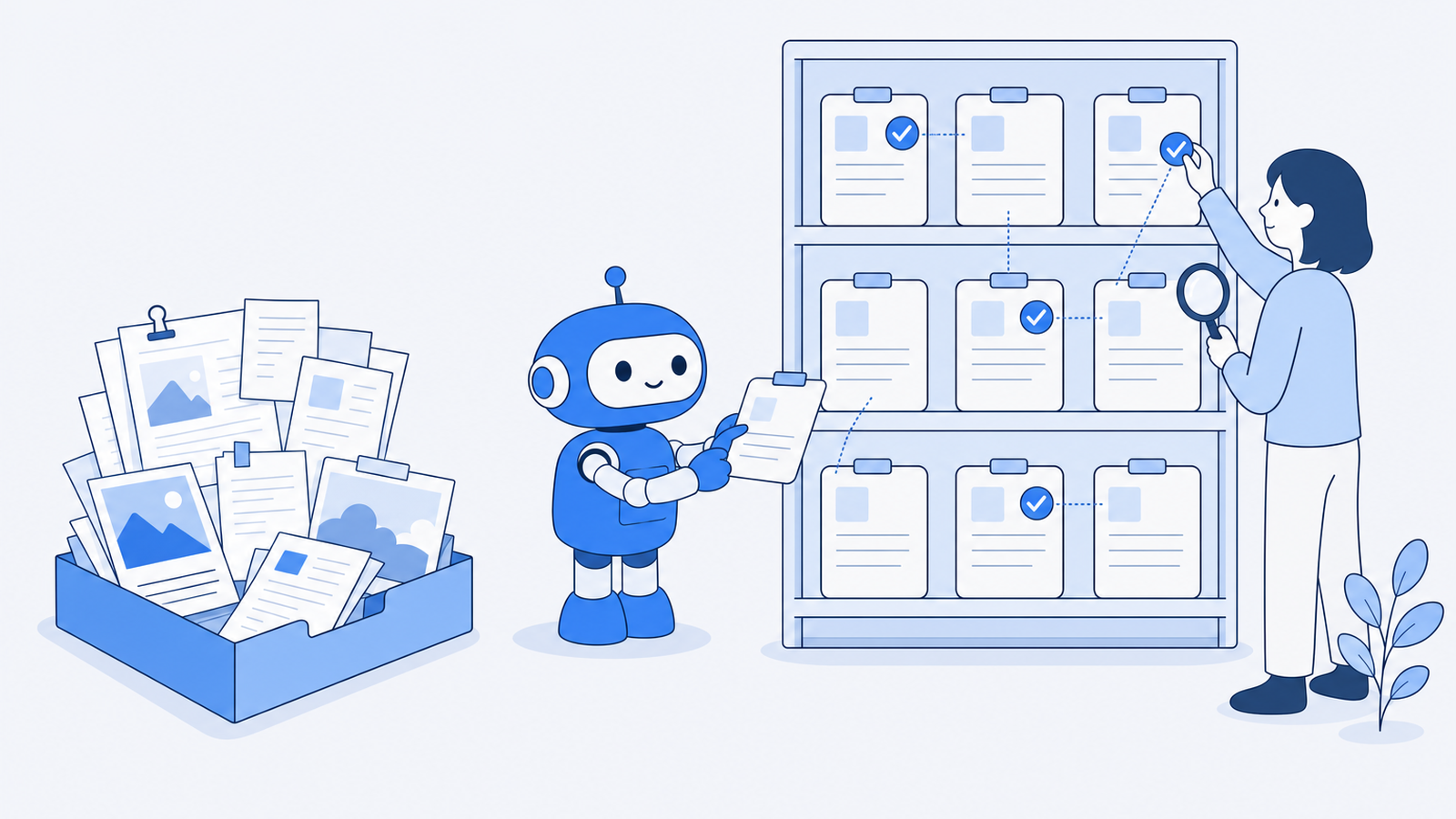
The LLM wiki and Open Knowledge Format for agent knowledge
Karpathy's LLM wiki and Google's Open Knowledge Format, read from the originals: a format for agent knowledge bases, the RAG difference, and v0.2 trust fields.
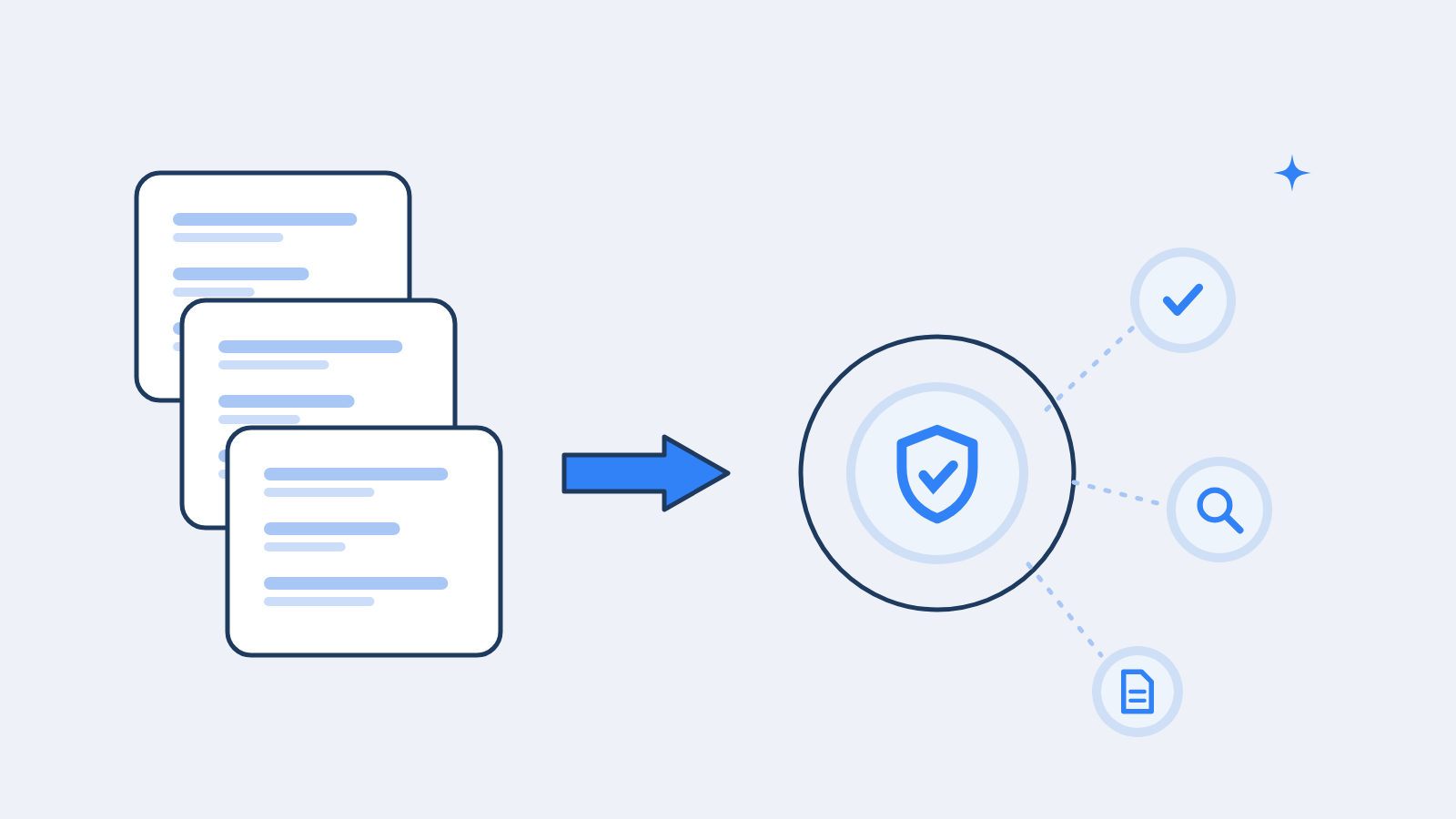
What is different about Gemini 4 Argon? Verification
What is different about Gemini 4 Argon compared with earlier models? We check the 1M-token output limit and use cases plus the criteria for verifying AI output.
Keep reading on this topic
- GPTBot vs OAI-SearchBot: Is AI Crawling a Search Signal?AI bot crawling may signal a new search channel, but crawl counts aren't visibility. GPTBot vs. OAI-SearchBot, scale vs. Googlebot, and how to track it.
- Naver AI Briefing Didn't End SEO: Korean GEO vs Google GEOSEO basics still matter in the Naver AI Briefing era. What Naver Mate is, Naver's content quality bar, and how to get cited as a source in AI Briefing.
- Naver AI Tab's Next KPIs: Sourcing and the Path to ActionAfter Naver AI Tab, GEO must measure the path from AI answers to bookings, purchases, and inquiries, not just citation rate. Sourcing vs. actionability.
This post is part of the Trend category, which collects all 14 posts on the topic. See all posts in Trend