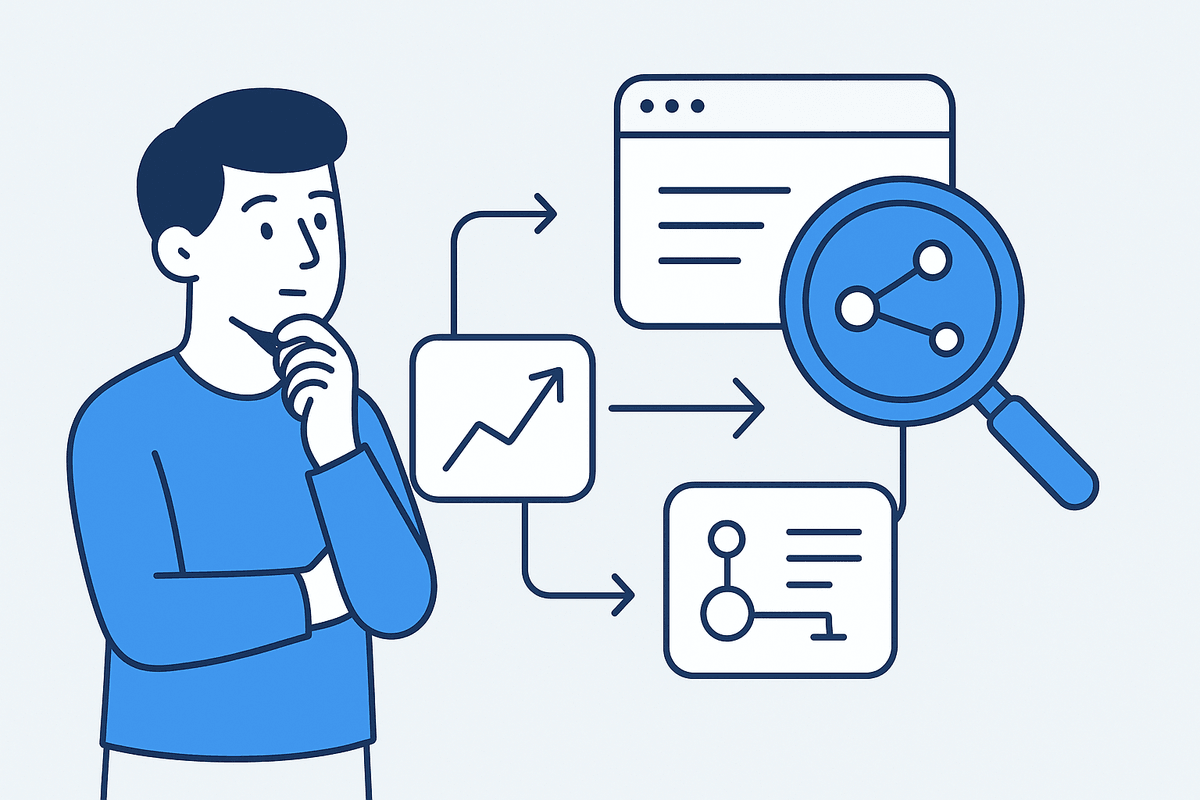
How Much Traffic Comes From AI Search, and Why It Matters
Why is a channel under 0.15% of all visits already reshaping how reports are built?
AI search traffic is still a small share of total traffic but grew 66%. How much budget to give it while small, and which metrics to watch instead of traffic.
AI search traffic is still less than 0.15% of all visits, but it grew 66% in 2025[1] and has already started to change how AI search performance is measured. Conversations about AI search traffic often drift to two extremes. One side says "search is over," and the other says "traffic is tiny, so there's no need to look yet." Neither is enough for practical decisions.
Marketing teams know this dilemma well. The same debate repeats every time a new channel appears. Early on, it looks small enough to ignore, but if you wait to act until the channel has actually grown, you're often already too late. On the other hand, reacting to every signal spreads your resources thin. So the question you need is not "how big is it now?" but "what should we prepare now so we don't lose out later?"
The direction the numbers show
Semrush's analysis of 2025 mobile and desktop visit data across 17 industries shows this direction well[1]. AI traffic, meaning visits coming from conversational AI tools such as ChatGPT, Perplexity, and Copilot, grew 66% in 2025. But its share of all visits is still under 0.15%.
| Metric | Figure | Practical reading |
|---|---|---|
| AI traffic growth | Up 66% in 2025 | The direction is a clear upward trend |
| AI traffic share | Under 0.15% of all visits | Still small if you only look at direct traffic |
| Scope of analysis | 17 industries, large sample of sites | Don't map it directly onto your own site's numbers |
The most dangerous reading of this table is "its share is still this small, so GEO can wait." A lot of AI search impact does not show up as sessions right now. Your brand might be mentioned in an answer with no click, or a third-party review or comparison article might be used as a source and the user comes back later through a branded search.
Comparing growth rates by channel in the same analysis gives more context. In 2025, total web traffic barely moved, but individual channels went in very different directions. Paid search grew 76%, display ads grew 63%, and AI traffic grew 66%. Meanwhile, direct traffic shrank, and organic search declined in 13 of the 17 industries[1]. In other words, even though its absolute volume is small, AI traffic is already growing at about the same pace as paid search and display ads. When total traffic is flat and one channel grows this fast, that's also a sign it's gradually taking share from the others.
Why you shouldn't ignore it even though it's small
AI search builds the brand shortlist before the click. When a user asks "what tools are worth using in our industry?" and your brand makes the shortlist, you're already in the comparison table, even if no click happens right away. If you're left out of the answer, users have less reason to search for your brand.
AI answers don't look only at your own pages. AI systems tend to draw on third-party sources, comparison articles, reviews, and communities alongside official sites. So building a good structure on your own site matters, but you also need to look at the context in which your brand is repeatedly mentioned elsewhere.
The smaller the traffic, the weaker attribution tracking gets. AI traffic may not leave clean tracking parameters. A user might get information from ChatGPT or Perplexity and later search your brand name on Google. In that case, AI search may have influenced the decision even though GA doesn't record it as AI traffic. In fact, people have observed "ghost citations," where a page the AI used as evidence never has its brand name appear in the body of the answer[2]. That means it's common for the link to be used while the brand stays invisible.
In an early channel, brands that establish themselves first have the advantage. Think back to the early days of search engine optimization: brands that got their structure in place early held favorable positions for years afterward. AI search may well repeat a similar pattern. Competition looks loose now because the traffic is small, but as its share grows, the gap between brands that already have the structure and those that start late can widen. Getting the fundamentals in place while the channel is small becomes your barrier to entry once the channel grows.
GEO metrics to watch before clicks
When AI search traffic is small, you need to change the order of your metrics. Traditional SEO reports flow from impressions to clicks, sessions, and conversions. A GEO report needs to add "how do we appear inside AI answers" in front of that.
| Layer | Metric to watch | Question |
|---|---|---|
| Prompt visibility | Share of core prompts in which your brand appears | Do we show up in the questions users are likely to ask? |
| Citation visibility | URLs and sources cited in the answer | Which pages and third-party sources serve as evidence? |
| Mention quality | Categories and descriptors attached to your brand | In what context are we recommended or compared? |
| Source mix | Share of your own site, external mentions, and third-party sources | How does the AI mix your site with your outside reputation? |
| Traffic visibility | AI traffic, direct traffic, branded search | Do people actually come back? |
| Assisted conversion impact | Paths before demos, inquiries, and sign-ups | Did AI search touchpoints influence conversion? |
Seen this way, GEO isn't simply "get more clicks from AI search." It's a system for seeing which shortlist the AI puts your brand into, which sources it uses as evidence, and what follow-on actions bring users back. And it's still true that basic content quality and accessibility underpin all of these metrics[3].
How much budget should you allocate?
It's natural to ask how much to spend on a channel that accounts for less than 0.15% of traffic[1]. The right answer differs by company, but the decision criteria can be laid out.
- You don't need to move a big budget right now. Traffic is still small, so there's no reason to sharply cut existing channel budgets and pour them into AI search.
- Improving content structure doesn't need much separate budget. Stating fit by condition, organizing evidence, and keeping content current can start just by reprioritizing within your existing content operations.
- It's safer to give measurement tools a budget, even a small one. New metrics like prompt tracking are hard to maintain manually for long, so assigning a tool or a person, even on a small scale, means the data you build up becomes an asset when the channel grows.
So at this point, "keep observing steadily and get the fundamentals in place starting now" fits better than "let's move a lot of budget."
A practical checklist
To start GEO reporting even while AI search traffic is still small, this order works well.
- Separate AI traffic into its own channel group in GA. If it's mixed in with organic or referral, changes are hard to notice.
- Look at ChatGPT, Perplexity, Copilot, Gemini, and Google AI Mode separately where you can. Each engine draws on different sources and answers in different patterns.
- Track brand mentions and competitor mentions across 20 core prompts once a week. Starting with just 5 is fine.
- Record the URLs, domains, and content types cited in answers. This is to find patterns in which pages keep being used as evidence.
- Collect the third-party sources AI answers cite often. This shows you the relationships you need to manage outside your own site.
- Even if AI traffic is small, watch changes in branded search, direct traffic, and demo requests alongside it. This keeps you from missing impact that doesn't show up as clicks.
- Turn weak-performing prompts into tasks for content structure, FAQs, comparison tables, and earning external mentions. Don't stop at discovery; turn findings into action items.
The goal of this checklist isn't to hype AI search. It's a safeguard so you don't miss a small but fast-growing channel because of a single number. Rather than trying to get all seven steps perfect from day one, starting with steps 1 and 3 and adding the rest one at a time is more likely to actually stick.
Why you should start now
AI search traffic is still small. But AI answers are already building users' shortlists, choosing which sources to show, and tying brands to specific categories. So what you need now isn't a report that only shows "how many sessions came from AI." It's a system that looks together at which prompts you show up in, which sources serve as evidence, which categories competitors are grouped into, and whether branded search and conversions move after that.
When you explain this to leadership, it's more accurate to say "the cheapest time to build the fundamentals is while traffic is small" than "traffic is small, so later." If you wait to fix your structure until after the channel grows, you also take on the burden of catching up with competitors who are already established. Conversely, if you put the structure in place now, while traffic is small, you can naturally absorb a large part of that growth when the channel expands.
Tracking many prompts across many engines by hand every week isn't easy. Checking your AI visibility before the click with a diagnostic tool like TRAIL Search is also a good place to start.
For related reading, see Why one AI visibility score misleads: ChatGPT isn't Perplexity, One AVI score isn't enough: break it into mention rate, source rate, citation rate, and ghost citations, and An AI search measurement framework: GSC, GA4, and prompt tracking as weekly and monthly routines.
Frequently asked questions
AI traffic is still under 1%. Should we invest now?
If you judge only by traffic size, you may be too late. AI search builds the shortlist of brands before the click. If users don't see your brand in an AI answer, they have less reason to search for it at all. The smaller your traffic, the earlier you should check your visibility and citations at that earlier stage.
If GA4 barely records any AI traffic, does that mean AI search isn't working for us?
It's hard to conclude that. A user might get information from ChatGPT or Perplexity and later search your brand name on Google, or remember a category name from an answer and land on a comparison page. In those cases, AI search may have influenced the decision even though GA4 doesn't record it as AI traffic.
Can we start our reports with click-based metrics?
It's safer to reverse the order. Traditional SEO reports run impressions, clicks, sessions, conversions, but a GEO report needs to start with how you appear inside AI answers. The smaller your traffic, the more weight those earlier-stage metrics should carry.
References
Summary
- According to Semrush's analysis, AI traffic grew 66% in 2025 but still accounts for less than 0.15% of all visits.
- You shouldn't ignore it just because it's small: AI builds the brand shortlist before the click and also draws on sources outside your own pages.
- A GEO report should add prompt visibility and citation visibility ahead of the impressions, clicks, sessions, conversions sequence.
- The smaller your AI traffic, the more you need to watch lagging indicators like branded search, direct traffic, and demo requests so you don't miss the real impact.
Check this topic against your own brand
TRAIL Search measures how ChatGPT and Perplexity answer your customers' questions and finds and fixes where the brand is missing, turning this post into a diagnosis. Start with 10 questions, no card required.
More posts
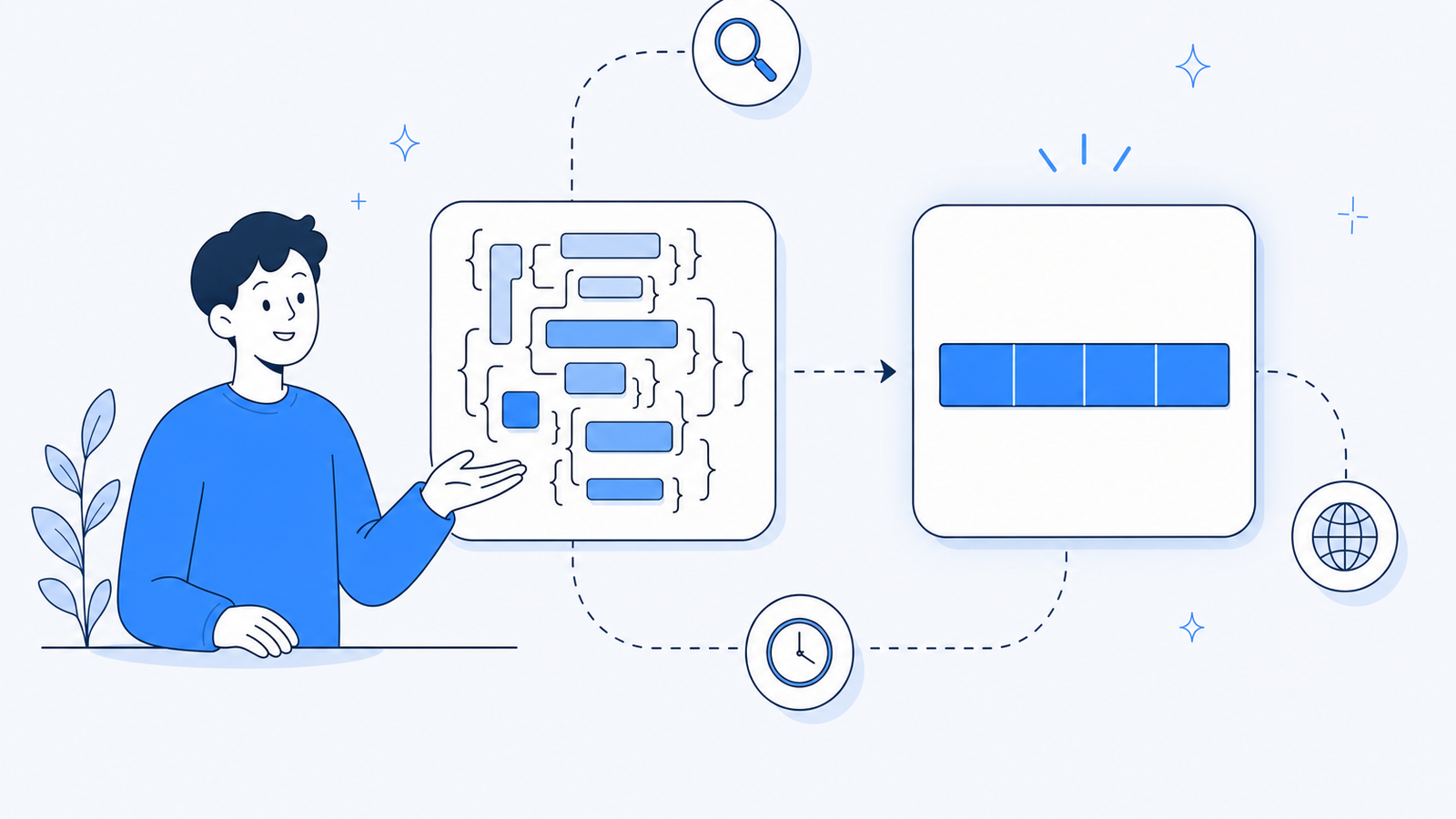
How ChatGPT search works: the language changed in 4 days
ChatGPT moved its search calls from JSON to a pipe format: five call types, freshness windows, and why AI visibility tracking must keep running.
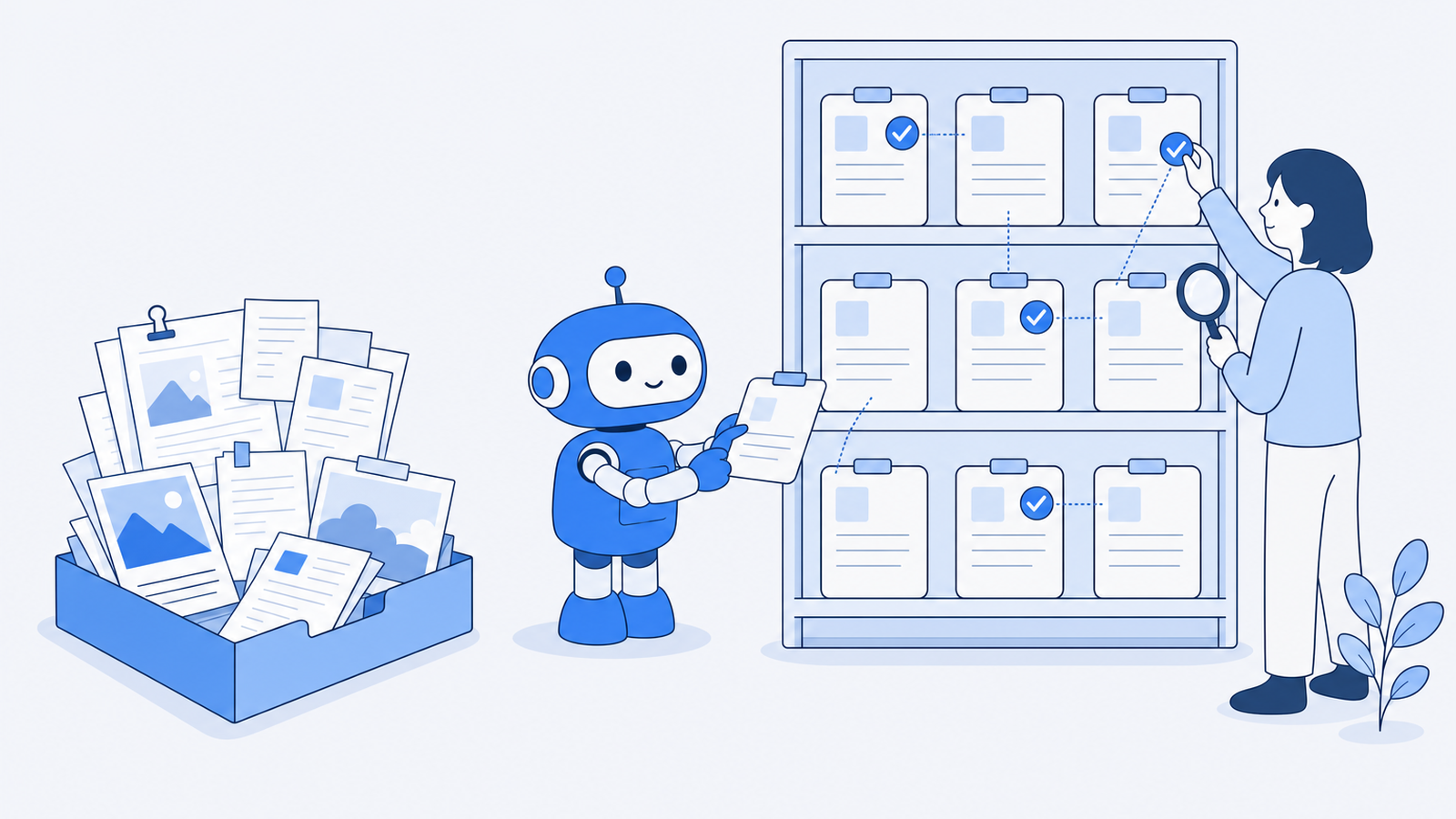
The LLM wiki and Open Knowledge Format for agent knowledge
Karpathy's LLM wiki and Google's Open Knowledge Format, read from the originals: a format for agent knowledge bases, the RAG difference, and v0.2 trust fields.
What is different about Gemini 4 Argon? Verification
What is different about Gemini 4 Argon compared with earlier models? We check the 1M-token output limit and use cases plus the criteria for verifying AI output.
Keep reading on this topic
- Why Reddit search grew again: AI cites community signalsAI answers favor real community reviews, comparisons, and complaints over official feature lists. How brands can use community signals, by industry.
- GPTBot vs OAI-SearchBot: Is AI Crawling a Search Signal?AI bot crawling may signal a new search channel, but crawl counts aren't visibility. GPTBot vs. OAI-SearchBot, scale vs. Googlebot, and how to track it.
- Naver AI Briefing Didn't End SEO: Korean GEO vs Google GEOSEO basics still matter in the Naver AI Briefing era. What Naver Mate is, Naver's content quality bar, and how to get cited as a source in AI Briefing.
This post is part of the Trend category, which collects all 14 posts on the topic. See all posts in Trend