Blog
Papers
Papers · page 3.
30 posts

FeatGEO: Do keywords or structure earn AI citations?
FeatGEO turns a page into features to optimize AI citation visibility and quality together, how it differs from word-level GEO, and its effect on human pages.

Does structure alone raise AI citations? The evidence
An empirical study that raised AI search citation rates 17.3% by tuning only document structure (headings, paragraph length, emphasis), plus how engines differ.

SAGEO Arena: edit only the body and you drop out of search
SAGEO Arena re-evaluates GEO across retrieval, reranking, and generation. Why title and meta fields beat body text in AI search, and how to survive reranking.

GEO-16 Framework: What Pages Do AI Engines Cite?
A study measuring which pages AI answer engines cite using 16 signals: the impact of structured data and semantic HTML, engine differences, and thresholds.

Content-Centric GEO (CC-GSEO): Agent Rewrites for Citations
CC-GSEO uses AI agents to rewrite a post so it gains influence across related questions, not just keywords. How many rewrites it takes to raise citations.
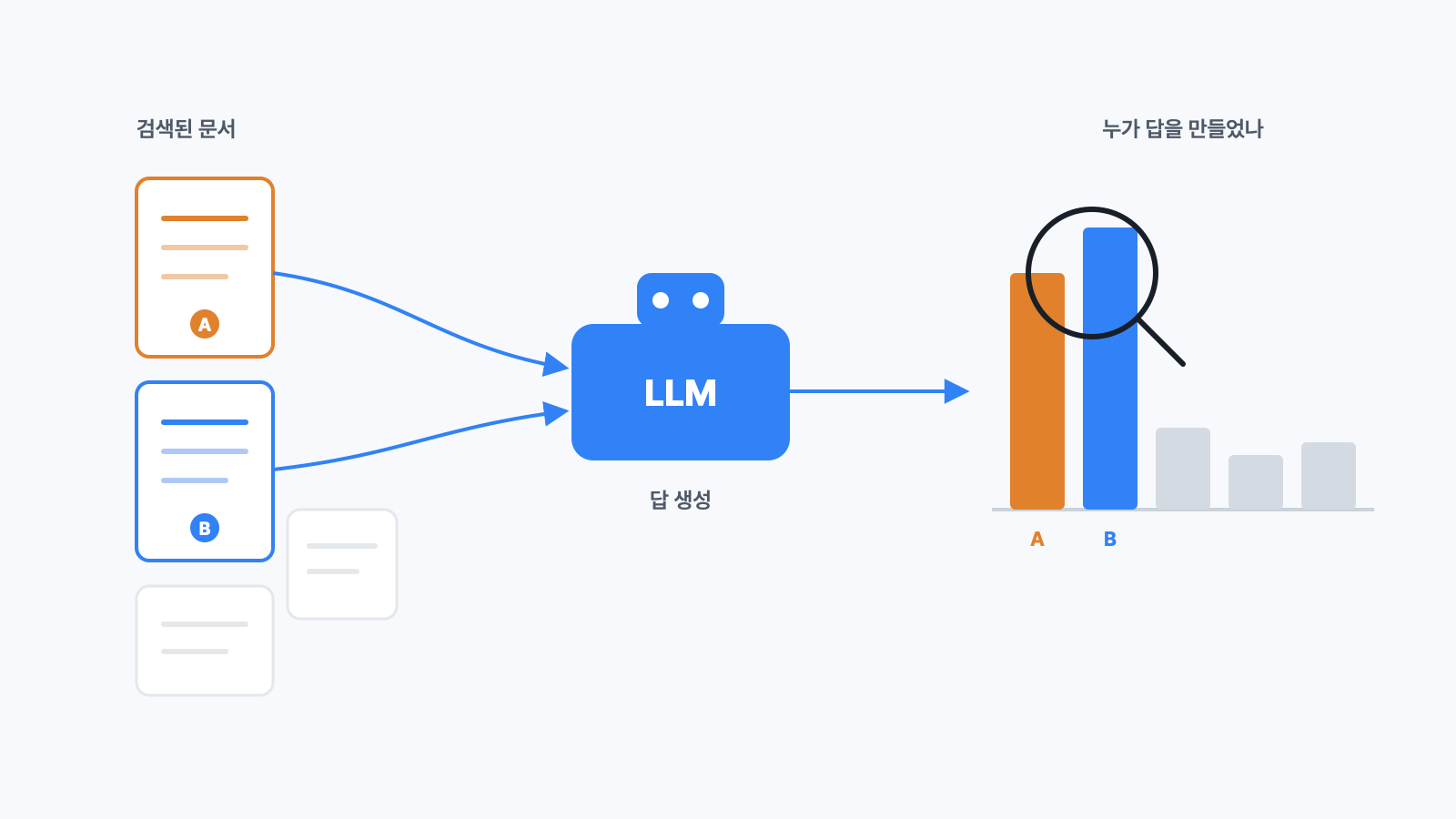
Which Documents Did RAG Use? Shapley Source Attribution
Tracing which retrieved documents a RAG answer relied on with Shapley values: cheaper approximations, which to choose, and why overlap breaks attribution.

C-SEO Bench: Does conversational search SEO actually work?
Most conversational SEO tactics failed, and adding authority or statistics barely moved AI citation rank. Traditional SEO ranking is the real lever.

Can AI recommendations be manipulated?
Two studies where a few lines of product page text flipped LLM recommendation rankings, and how to detect manipulation, including by competitors, and respond.

The paper that defined GEO: visibility metrics, 9 methods
The paper that first defined GEO: measuring generative search visibility, which of 9 methods work, keyword stuffing, and whether low-ranked pages get cited.