
Naver AI Briefing Citation Count: Ranking Factor or KPI?
From watching rankings alone to asking 'did we make it into the AI answer as a source?'
Naver's AI Briefing citation count shows how often your content is cited as a source. Is it a ranking factor, what earns citations, and how to report it? The AI Briefing citation count shows how many times your content has been cited as a source in AI Briefing on Naver search results.
The AI Briefing citation count is a number that shows how many times your content has been cited in AI Briefing on Naver search results. As search rankings alone have become a harder way to judge content performance, users now see the AI-summarized answer before opening results one by one. Which sources make it into that answer has become a new question for content teams, and Naver has started answering that question with a number.
What the AI Briefing citation count means
Traditional SEO usually looked at rankings, visibility, clicks, and time on page. In an AI Briefing environment, one more stage is added. Having your post exist in search results and being selected as a source inside the AI summary answer are not the same thing.
Say a user searches for "Gangnam Station dermatology lifting reviews." In the past, the post at the top of the search results was the biggest concern. In an AI Briefing environment, you also need to look at which blog post, which Cafe post, and which Naver KnowledgeiN answer are linked as sources inside the summary answer the user sees first.
So the AI Briefing citation count isn't just a popularity number. It's closer to a signal of "is my content being used as material for AI answers?" Naver says it connects this number to its creator support program, providing emblems and grants to creators and channels that keep up their content activity.
Why you shouldn't call it a ranking factor
You might be tempted to say that a high AI Briefing citation count raises your search ranking. But saying that goes beyond the evidence. What's confirmed so far is its role as a selection criterion for Naver's UGC creator support program and its connection to AI Briefing source labels and emblems. Naver hasn't announced this metric as a public ranking factor for general search rankings.
Here's a phrasing content teams can use more safely.
> The AI Briefing citation count is a visibility metric that shows the degree to which your content is used as a source inside AI answers.
On the other hand, it's better to avoid sentences like these.
> The AI Briefing citation count is the formula for ranking at the top of Naver.
> Adding more keywords gets you cited more often in AI Briefing.
Going back to manipulative SEO just because a citation number now exists is actually risky. To make it into AI Briefing, you need content that search engines can understand and that helps users when they read it [1].
Five conditions for content worth citing
Translating the principles of good content in Naver Search Advisor's SEO guide into a GEO perspective gives you the following [1].
| Condition | Content team checkpoint |
|---|---|
| Firsthand knowledge | Does it include cases, trial and error, usage conditions, and the problem-solving process? |
| Consistent topic | Is one topic building up steadily within the same channel? |
| Honest authenticity | Are sponsorship or ad status, sources, and original links clearly disclosed? |
| Easy-to-read structure | Do the title and first paragraph answer the question directly, organized with lists and tables? |
| Staying current | Is information that changes, like prices, policies, and features, kept up to date? |
A structure that answers the question directly
AI Briefing builds summary answers tailored to the user's question. So if the post's title and first paragraph are far from the question, you're at a disadvantage. A post with a clear question and situation, like "5 things to check before a lifting consultation at a Gangnam Station dermatology clinic," is easier to work with than "how to choose a good dermatology clinic."
Firsthand experience and a concrete judgment process
Simple collections of information are everywhere. Content that AI can summarize well is content where the judgment process comes through more than the information itself. That's why "After three weeks of use, I was happy with the battery life, but during outdoor shoots I had to lower the settings from the third shoot onward because of overheating" is stronger than "This product is good." Users understand the situation, and AI can cite specific conditions.
Topic consistency at the channel level
A channel that steadily covers a specific topic can become stronger than one that writes a single great post. GEO is less a problem of individual posts and more a problem of bodies of knowledge. For a brand blog, rather than mixing every keyword into one channel, it's better to define topic clusters, like product lines, comparison criteria, usage situations, and care tips, and build them up.
The difference between weak content and citation-ready content
Even on the same topic, how easy it is for AI to reference depends on the sentences and structure.
Example 1. A blog review post
Weak post: "This product is really good. It's very popular these days and great value for money. I recommend it."
Citation-ready post: "After using it on my commute for two weeks, the battery lasted about 7 hours a day on average. Call quality was stable indoors, but on a crowded subway the other person often heard the background noise. If calls matter more to you than music, it's better to check the noise canceling settings first."
The difference is clear. The second post shows conditions, duration, situations, and limitations. Users can make a judgment, and AI gets material to summarize.
Example 2. Brand content
Weak post: "Our service is the best solution optimized for the AI era. We boost your work efficiency with a variety of features."
Citation-ready post: "This service focuses on grouping customer inquiry logs by topic and turning recurring questions into FAQ drafts. Instead of reading 100 inquiries directly every week, the support team can separate questions that need to move to a consultation from questions a document can resolve. Early on, though, you need to clean up your existing FAQ and support tag criteria first for the results to stabilize."
The second post says what it does, who needs it, and where it might get stuck. This kind of specificity lasts longer than exaggerated expressions.
Example 3. A post hoping to be selected for Naver Mate
Weak post: "To be selected for Naver Mate, you need to raise your AI Briefing citation count a lot. Use keywords well and write lots of posts."
Citation-ready post: "Naver Mate selections are made primarily on AI Briefing citation count, together with each service's operating criteria. So rather than increasing the number of posts, it's safer to steadily build posts that answer users' questions on a specific topic and clearly include firsthand experience and sources."
The goal of these examples isn't to teach you how to manipulate citation counts. It's to show what content operators should check.
Content team checklist
To use the AI Briefing citation count as a metric, you first need to review your content. The items below aren't a formula that guarantees citations; they're an operating checklist to confirm whether your content is easy to use as a source in AI answers.
| Item | Question to check |
|---|---|
| Content structure | Do the title and first paragraph directly answer the user's actual question? |
| Firsthand experience | Does it include cases, trial and error, usage conditions, and the problem-solving process? |
| Source clarity | Are statistics, research, official materials, original links, and conflicts of interest disclosed? |
| Topic consistency | Is one topic building up steadily within the same channel? |
| Freshness | Is changed information updated, with dates you can verify? |
Passing this checklist doesn't guarantee citations. But it at least keeps you from moving in the wrong direction. The thing to avoid most is seeing the words "citation criteria" and just repeating keywords.
The HaloX and TRAIL view: look at ranking, source, and citation separately
In an AI search environment, it's hard to explain performance metrics in a single line. Search rankings are still important, but they're not everything. You also need to look at whether you make it into the AI answer as a source, in what context your brand name is mentioned, and whether users move on to follow-up questions or "see more."
When looking at GEO performance, it's safest to separate at least the following signals.
| Stage | Question to ask |
|---|---|
| Search visibility | Is the content found when a user searches? |
| Inclusion in AI answers | Does your content make it into AI Briefing or generative answers as a source? |
| Citation signal | For which questions and topics is it cited repeatedly? |
| Follow-up exploration | Do users have a reason to move further to the source, profile, or related content? |
The AI Briefing citation count is closest to the citation signal among these. So rather than a number you just tack onto a search ranking report, it's better managed as a separate item in a GEO report. As the Princeton GEO research showed, the tendency for content with clear citations and sources to be selected more often for AI answers is no different in the Naver ecosystem [2][3].
If you're just starting, what should you look at first?
It's better to look at structure before numbers.
- Pick posts that already get search traffic but don't answer the question directly
- Rewrite the title and first paragraph around the user's question
- Strengthen the body with firsthand experience, conditions, sources, and update dates
- Instead of scattering posts on the same topic, organize them into a single content cluster
- Then track whether citation signals appear in search results and AI Briefing
This order may look slow. But the AI Briefing citation count is closer to content trust that builds up steadily than a number you raise quickly. Building a structure that lasts is safer than short-term tricks.
How to include citation counts in team reports
When you include citation counts in a team report, it's important to present them with context rather than as a standalone number. For example, reporting only "12 citations this month" makes the meaning hard to read. Instead, breaking it down by topic and channel, like "8 in knowledge-related channels, 4 in comparison-related channels, both up slightly from last month," lets the team immediately decide where to strengthen next.
Also, rather than making citation count a standalone KPI, we recommend putting it in a quarterly dashboard together with the four stages outlined earlier: search visibility, inclusion in AI answers, citation signals, and follow-up exploration. If citation count rose but follow-up exploration dropped, it means the content is cited but isn't leading to the next action; if it's the opposite, that's a signal to invest more in expanding citations. Tracking citation status by prompt with TRAIL Search lets you repeat this checklist while confirming with data which topics have weak citations.
For related reading, see SEO isn't over in the age of Naver AI Briefing: how Korean GEO differs from Google GEO, Why search queries get longer after AI Briefing: question-style queries and question cluster design, and Naver AI Tab's next KPIs: sourcing, actionability, and the path to booking and purchase after the answer.
You can continue with GPTBot vs OAI-SearchBot: Is AI Crawling a Search Signal? and How Korean SEO differs from the US.
Frequently asked questions
If my AI Briefing citation count is high, will my Naver search ranking go up too?
Saying that goes beyond the evidence. The AI Briefing citation count isn't a general search ranking formula Naver has published. It's safer to treat it as a source visibility metric mentioned as a selection criterion for a creator support program.
Can I raise my citation count by adding lots of keywords?
No. That's actually risky. Indiscriminate copying and generation, irrelevant keyword stuffing, and inaccurate information are named as factors that lower content quality. Citation count comes from the substance of the content: firsthand experience, source transparency, and an easy-to-read structure.
Which content does the AI Briefing citation count apply to?
The officially confirmed scope right now centers on Naver UGC services like Blog, Cafe, Naver KnowledgeiN, and Premium Content. The evidence is still thin for generalizing the same criteria to brand websites or commerce detail pages.
References
Summary
- The AI Briefing citation count shows how many times your content has been cited as a source in AI Briefing on Naver search results.
- This metric isn't a general search ranking formula; it's a source visibility signal mentioned as a selection criterion for Naver's UGC creator support program.
- The conditions for content that's easy to cite come down to five: firsthand knowledge, a consistent topic, transparent sources, an easy-to-read structure, and staying current.
- It's safest to view GEO performance in four stages: search visibility, inclusion in AI answers, citation signals, and follow-up exploration.
Check this topic against your own brand
TRAIL Search measures how ChatGPT and Perplexity answer your customers' questions and finds and fixes where the brand is missing, turning this post into a diagnosis. Start with 10 questions, no card required.
More posts
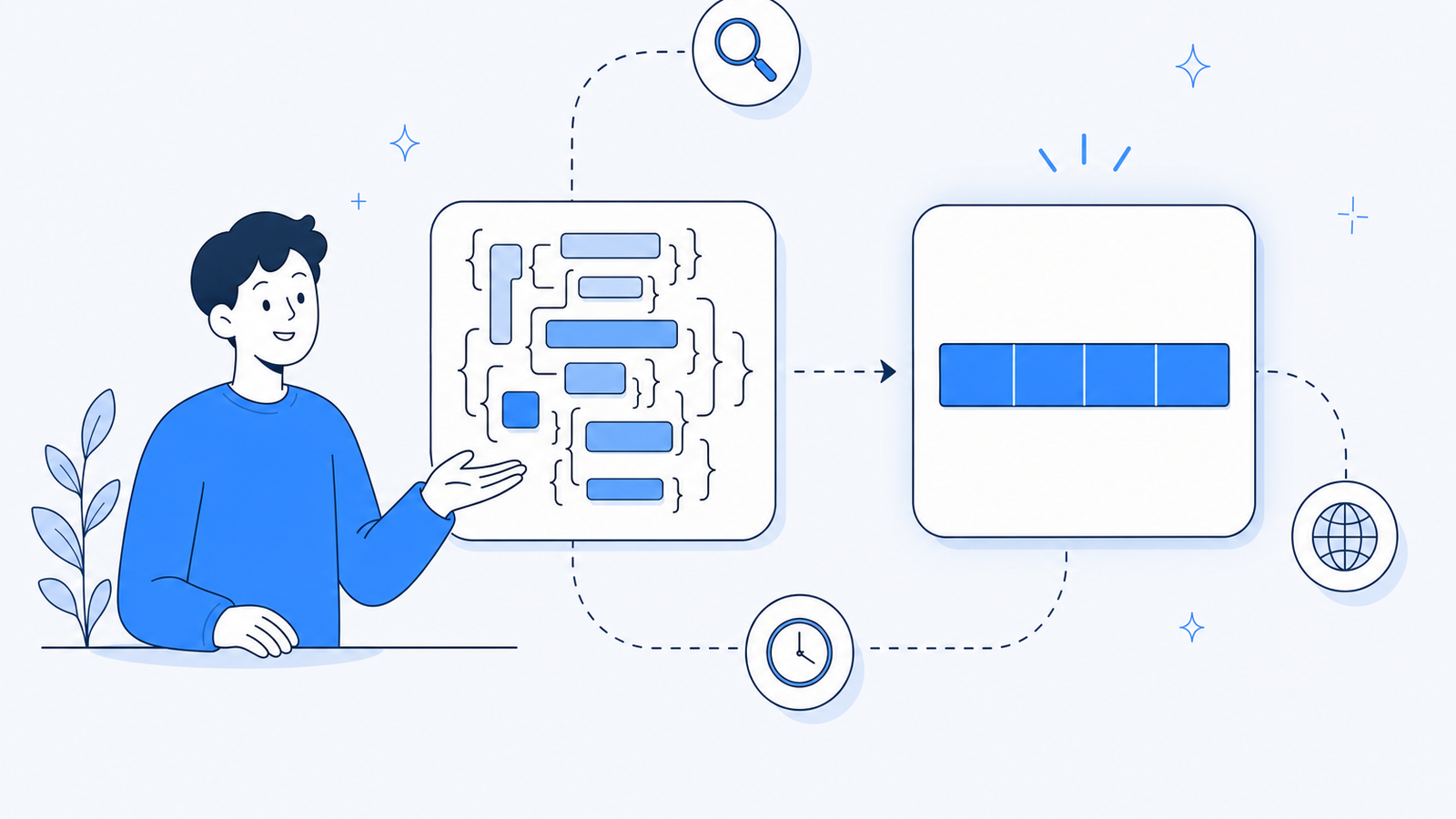
How ChatGPT search works: the language changed in 4 days
ChatGPT moved its search calls from JSON to a pipe format: five call types, freshness windows, and why AI visibility tracking must keep running.
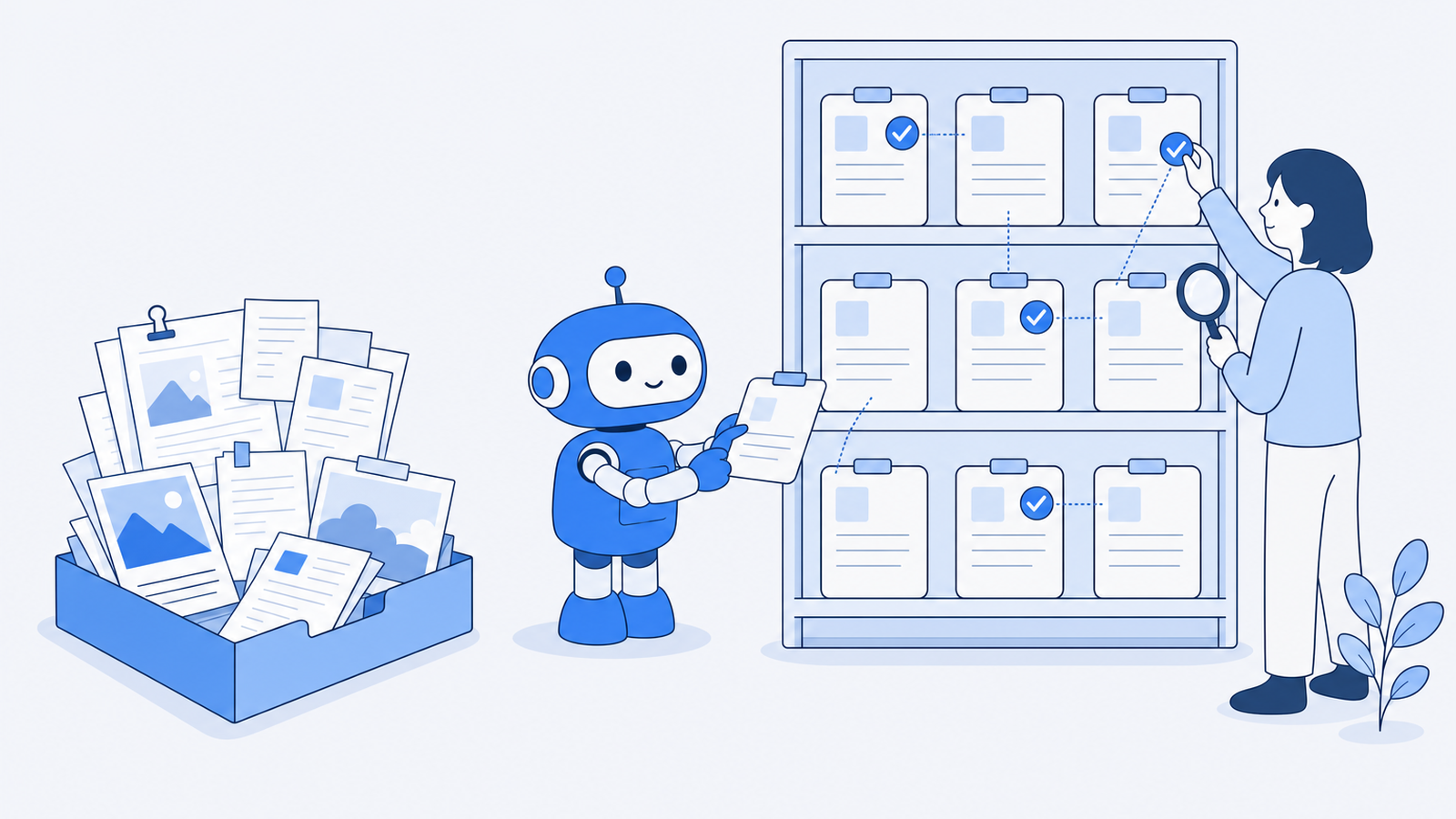
The LLM wiki and Open Knowledge Format for agent knowledge
Karpathy's LLM wiki and Google's Open Knowledge Format, read from the originals: a format for agent knowledge bases, the RAG difference, and v0.2 trust fields.
What is different about Gemini 4 Argon? Verification
What is different about Gemini 4 Argon compared with earlier models? We check the 1M-token output limit and use cases plus the criteria for verifying AI output.
Keep reading on this topic
- Why Reddit search grew again: AI cites community signalsAI answers favor real community reviews, comparisons, and complaints over official feature lists. How brands can use community signals, by industry.
- GPTBot vs OAI-SearchBot: Is AI Crawling a Search Signal?AI bot crawling may signal a new search channel, but crawl counts aren't visibility. GPTBot vs. OAI-SearchBot, scale vs. Googlebot, and how to track it.
- Naver AI Briefing Didn't End SEO: Korean GEO vs Google GEOSEO basics still matter in the Naver AI Briefing era. What Naver Mate is, Naver's content quality bar, and how to get cited as a source in AI Briefing.
This post is part of the Trend category, which collects all 14 posts on the topic. See all posts in Trend