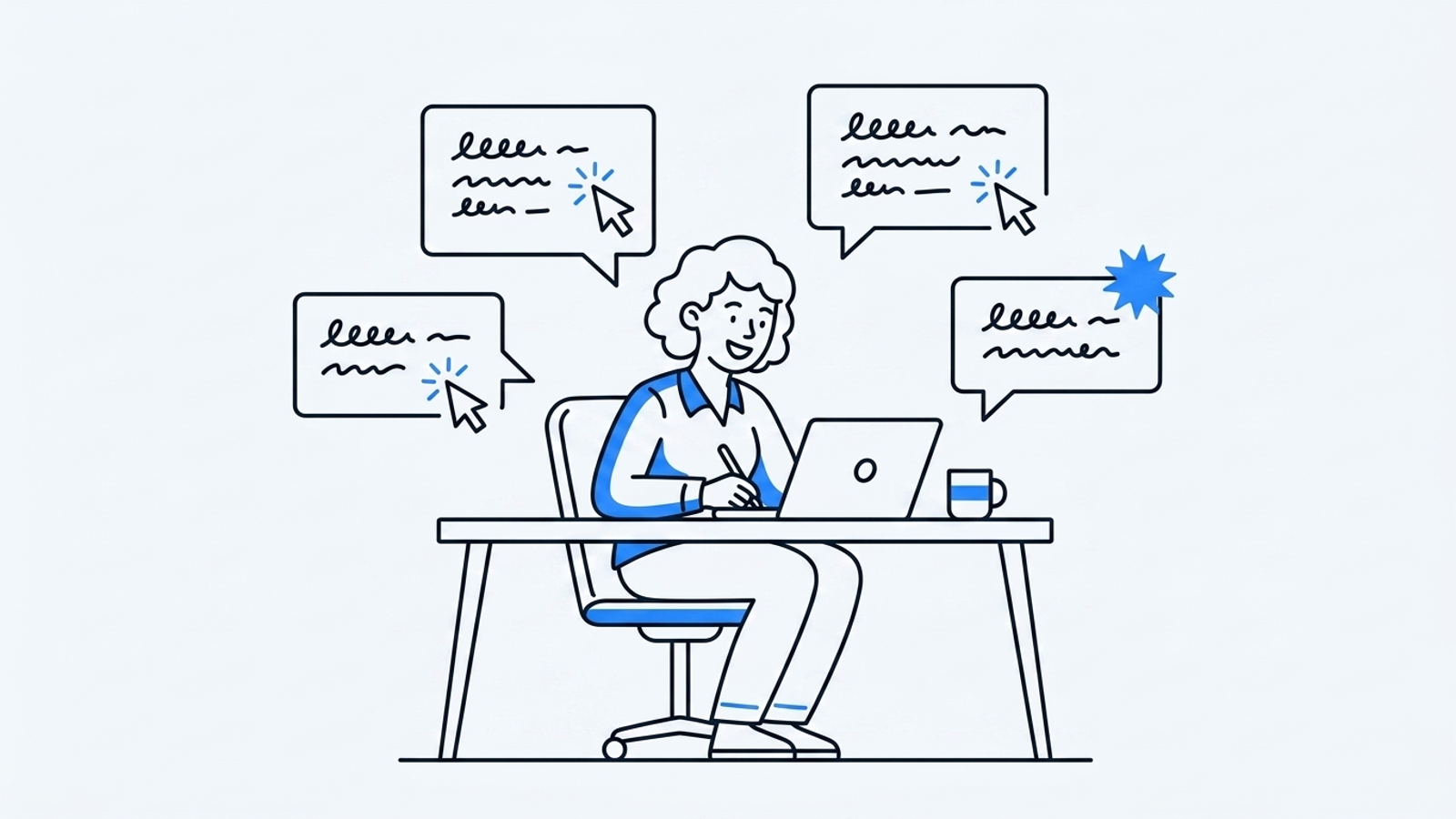
6 Copy Principles for Clicks: Light CTAs, Specific Numbers
The same content can win or lose clicks over a single word. Six proven copywriting principles that raise clicks without misleading anyone, with before-and-after examples.
Raise click rates without misleading anyone: lower the burden, make rewards certain, keep CTAs light, use specific numbers, and say one thing. A single word choice can decide click rates, and you can create that difference without misleading users.
The same content can win or lose clicks over a single word. Copywriting principles that raise clicks without misleading users come down to six. The difference often isn't grand copywriting skill but the choice of a single word.
We've collected six principles confirmed again and again across hundreds of copy experiments, with before-and-after examples. The one line that runs through all six: lower the burden, make the reward certain, make the action specific.
At a glance

| Principle | Before | After |
|---|---|---|
| 1. Only one key point | "See all our benefits at a glance and get new-member points too" | "The couple type test is here: tap through 10 questions and see your result" |
| 2. Promise a certain reward | "Get a coupon worth up to 50,000 won" | "Get a 100-won coupon, guaranteed" |
| 3. Make the action light | "Sign up in 3 minutes" | "Get ready in 3 minutes" |
| 4. Type of information first | "Check the coupons you can get this month" | "This month's coupon list is here: collect them all" |
| 5. Conditions and actions in numbers | "Take on this month's missions and earn points" | "Finish 4 missions and earn points" |
| 6. Everyday gestures | "Check the quiz answer" | "Tap the quiz answer" |
1. Say only one key point
It's tempting to list every strength your service has. But copy is strongest when it focuses on one "reason to tap right now." The more information you add, the fewer clicks you get.
- Before: "See all our benefits at a glance and get new-member points too"
- After: "The couple type test is here: tap through 10 questions and see your result"

Leave just one action instead of listing benefits, and it's common for impressions and clicks to jump several times over.
2. Promise a certain reward
"Up to ○○0,000 won" looks big, but because it's uncertain whether you'll get it, it feels like an ad. People respond more to a certain reward than to big expectations [1]. Emphasize the minimum instead of the maximum.
- Before: "Get a coupon worth up to 50,000 won"
- After: "Get a 100-won coupon, guaranteed"
Promising certainty, like "You're guaranteed at least one," gets more taps than "as many as you want."
3. Phrase the action lightly
The same action carries different psychological weight depending on the word. "Sign up" is heavy; "get ready" or "start" is light. Choose verbs that look low-burden and the barrier to entry drops.
- Before: "Sign up in 3 minutes"
- After: "Get ready in 3 minutes"
The content is the same, but the threshold users feel changes.
4. State the type of information first
Before explaining a complex benefit, tell people what kind of information it is, and they understand faster. A few words like "here's a list" or "this is new" lift clicks.
- Before: "Check the coupons you can get this month"
- After: "This month's coupon list is here: collect them all"
The phrase "newly launched," in particular, can raise click rates several times over just by being added.
5. Write conditions and actions as numbers
"Take on missions and earn" is vague. The moment users pause to wonder, "How much do I have to do?", the click disappears. Pin down the amount with a number and hesitation drops.
- Before: "Take on this month's missions and earn points"
- After: "Finish 4 missions and earn points"
Specific numbers like "4 missions" or "8 blanks" help people decide, "That's doable."
6. Evoke everyday gestures
Words that match the actual movement of your hand are understood intuitively, because people don't have to translate them in their heads.
- Before: "Check the quiz answer"
- After: "Tap the quiz answer"
"Tap" matches the real gesture of pressing the screen, so the same quiz gets more taps.
In short
Boil the six down to one line: lower the burden, make the reward certain, make the action specific. A one-word difference can change click and conversion rates a lot, and you can make that change without misleading users.
Copy isn't something you write well once and finish. It's the ongoing work of changing small expressions and checking what works better. When every line your brand writes is refined consistently on the same principles, clicks become a matter of design rather than luck.
Start making consistent, on-brand content with Trail Studio.
For related reading, see 10 copywriting psychology principles: how to use loss aversion, anchoring, and social proof in copy, 6 copy principles that lift card news click rates: no clickbait, specific numbers, and 5 AI prompts for CRM marketing planning: from assigning a persona to step-by-step questions.
Frequently asked questions
Do I have to apply all six principles to every channel?
No. Pick the ones that fit the channel and situation. For example, in short channels like app push notifications, "only one key point" and "make the action light" fit especially well.
Can I raise click rates without exaggerating?
Yes, that's the heart of these six principles. Instead of inflating benefits that don't exist, they deliver the information you already have more clearly, more certainly, and with less burden.
What if the principles don't fit our brand tone?
The principles are the skeleton; adjust word choice to your brand tone. If casual phrasing like "tap" doesn't suit your brand, you can apply the same principle with more formal vocabulary.
References
Summary
- A single word choice can decide click rates, and you can create that difference without misleading users.
- The first three principles: say only one key point, promise a certain reward, and phrase the action lightly.
- The other three: state the type of information first, write conditions and actions as numbers, and evoke everyday gestures.
- The one line running through all six: lower the burden, make the reward certain, make the action specific.
Produce the content this post covers from your brand standard
TRAIL Studio registers the brand standard once and produces cardnews, detail pages, product photos, shorts and blog posts from it. Generated output is reviewed and edited by a person before it ships.
More posts
Best AI Search Optimization Tools 2026: 6 GEO Tools Ranked
We compared six tools that check whether ChatGPT and other AI answers mention your brand, on measurement, action, engines, Korea support, and price.
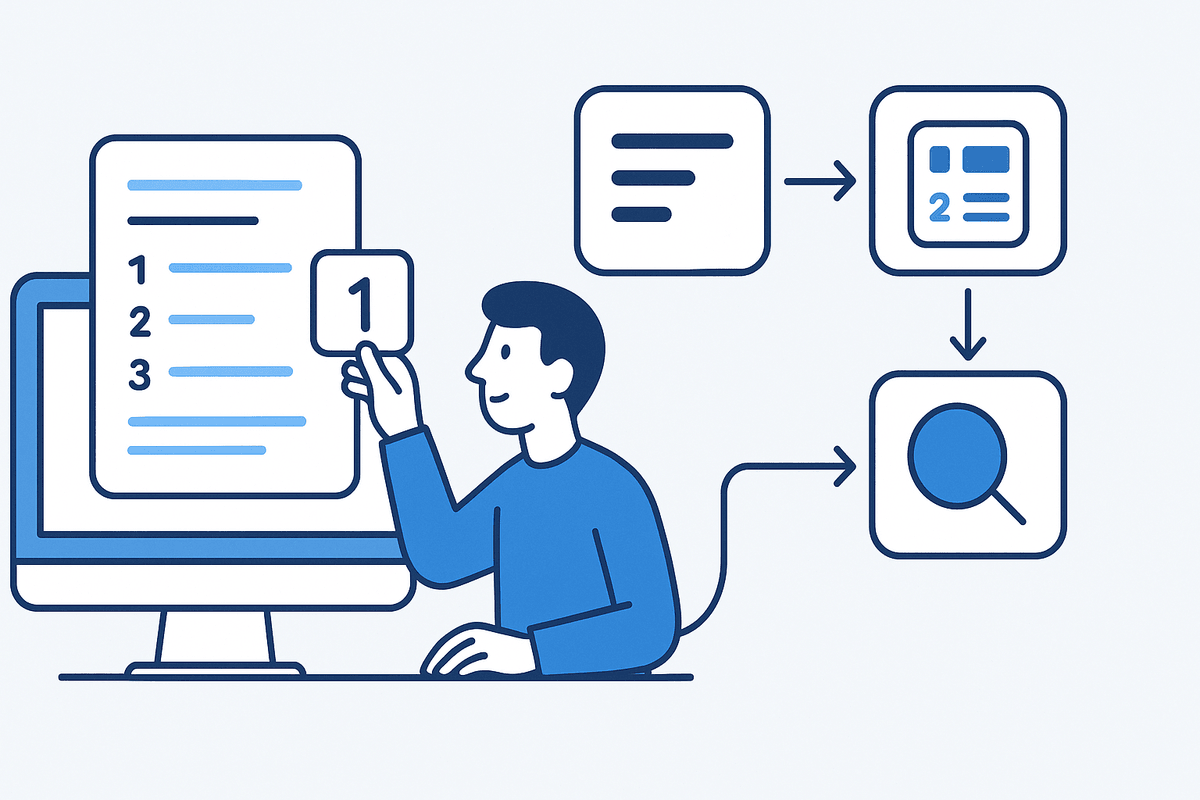
Why Does ChatGPT Cite Listicles? Format vs. Hierarchy
Listicles split items cleanly, so AI can extract just what it needs. How to write citable listicles, whether format alone is enough, and how to build hierarchy.
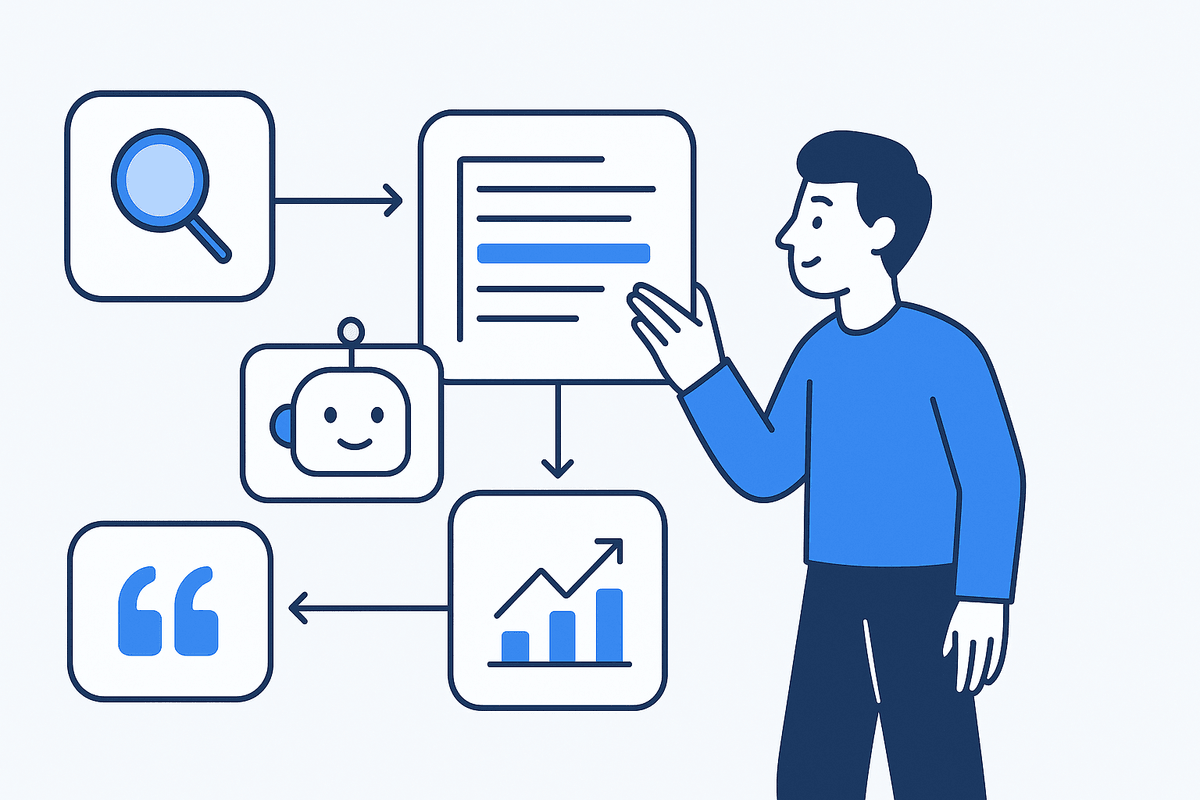
What is GEO? Which pages to start with, and in what order
GEO structures content so generative search like ChatGPT and AI Overviews cites it. Does it replace SEO, what order to run it in, and how to measure it.
Keep reading on this topic
- Topical authority: why pillar-cluster beats a single postTopical authority comes from content clusters, not single posts: the pillar-cluster model, how to design one, why it wins in AI search, and when it's enough.
- A 4-step framework for SEO and GEO: split teams or merge?SEO and GEO work best on one content quality foundation. Whether to split or merge teams, a 4-step framework, why unified plans fail, and one shared metric.
- SEO and GEO top spots: high rankings, missing in AI answersReaching the top now covers how AI answers mention you, not just rankings. What changed, how to manage both tops, and why competitor comparison matters.
This post is part of the Content category, which collects all 41 posts on the topic. See all posts in Content