Blog
Engineering
Content generation pipelines, architecture, quality systems — notes on how TRAIL Labs builds.
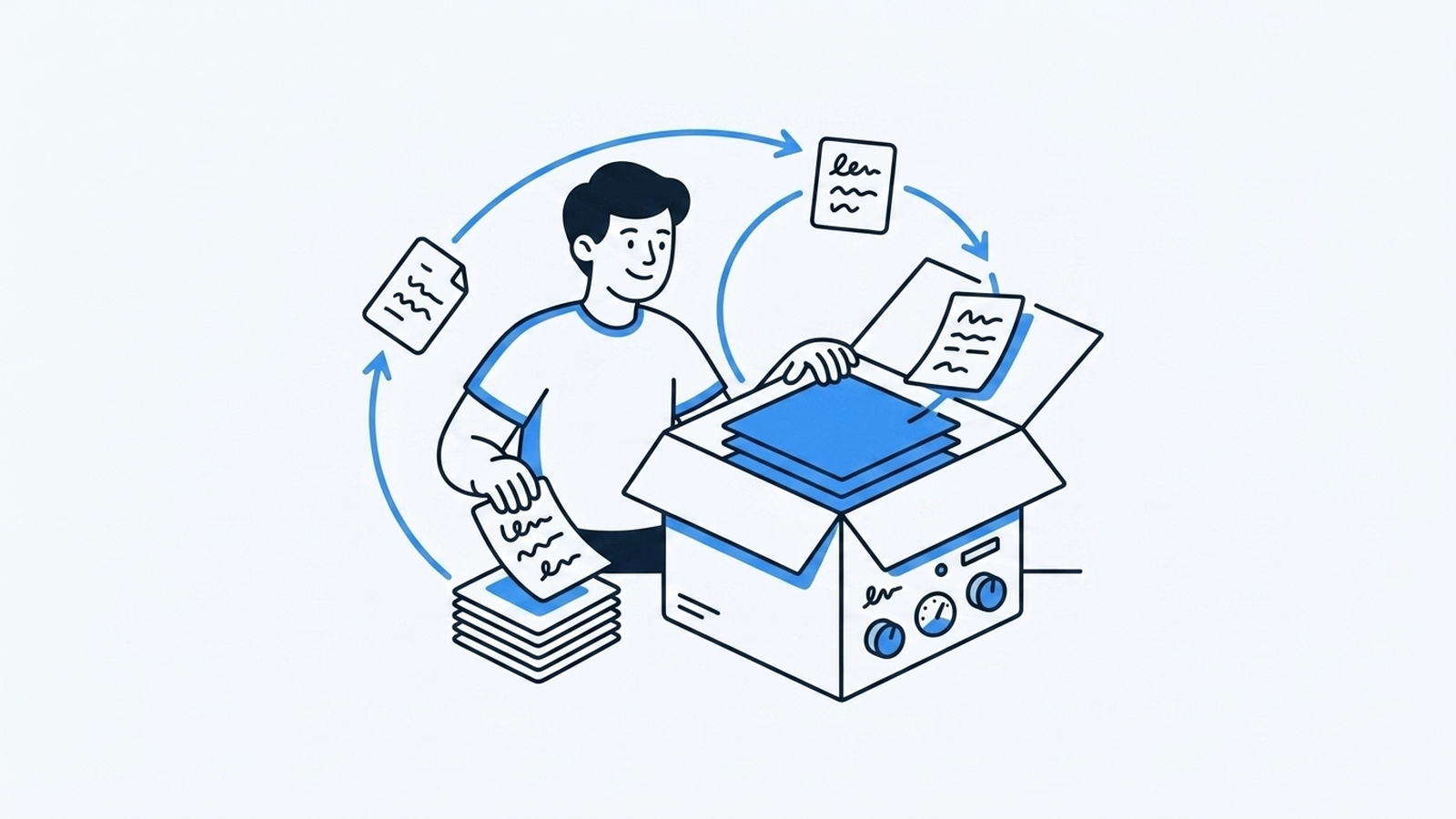
Open Models — Owning the Model Layer Itself
The final stage of the evolution — own the model instead of renting it. Nous Research Hermes (4.3, open weights), the Hermes function-calling standard, and the data flywheel a harness produces to tune a domain model — with code.
7 posts
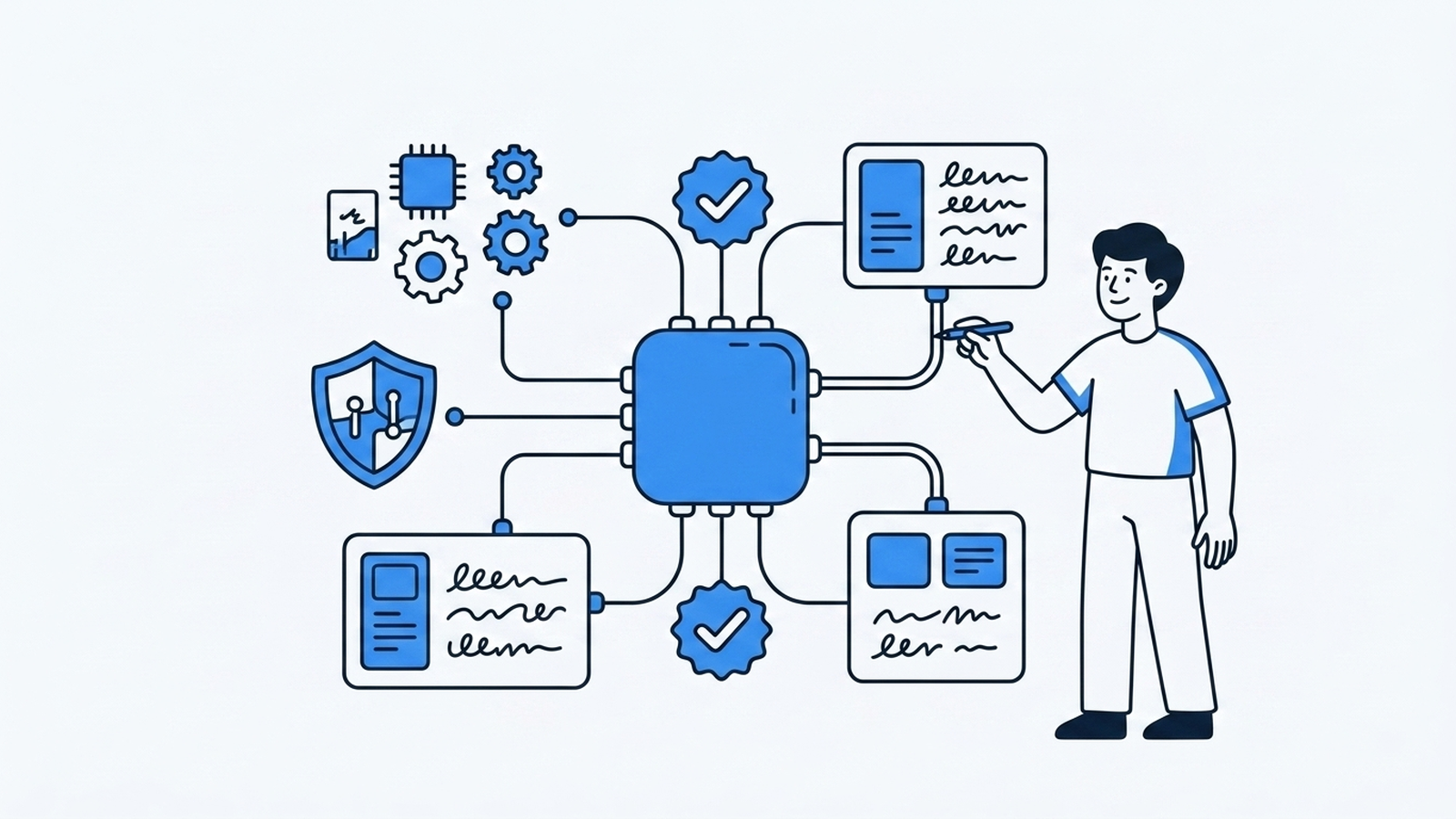
Harness Engineering — What Makes the Same Model Behave Differently
Running agents safely and consistently is about the harness around the model — scoped tools, hooks, context layering, verification loops, executable knowledge. The MCP server we built (self-call = SSOT) and hook patterns, in code.
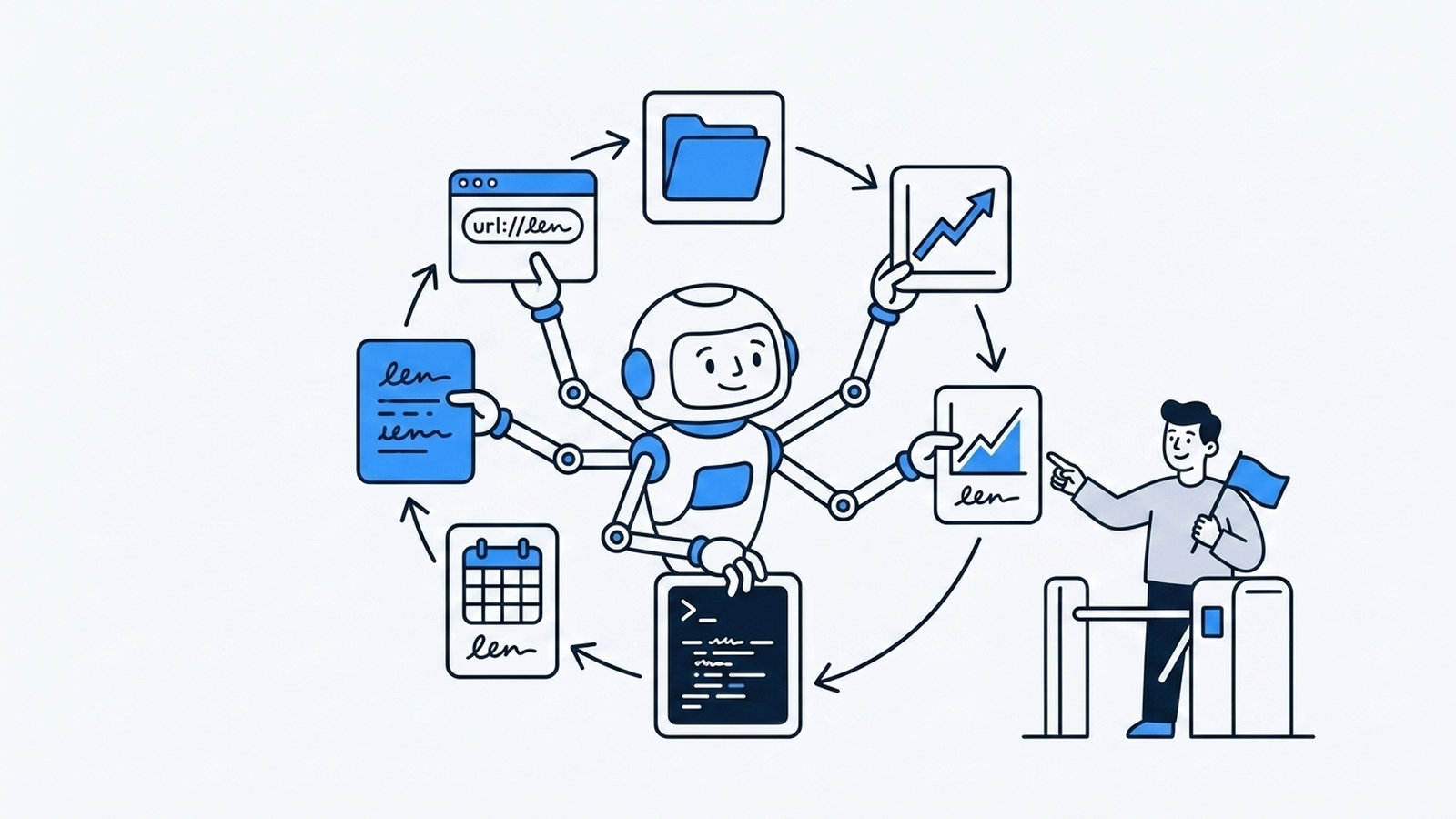
Agents — When the Model Started Running the Loop
OpenClaw (formerly Moltbot) put autonomous agents in the spotlight — the model uses tools, observes results, and runs the loop itself. The perceive→plan→act→observe loop, and the permission/HITL problem broad autonomy brings — with code.
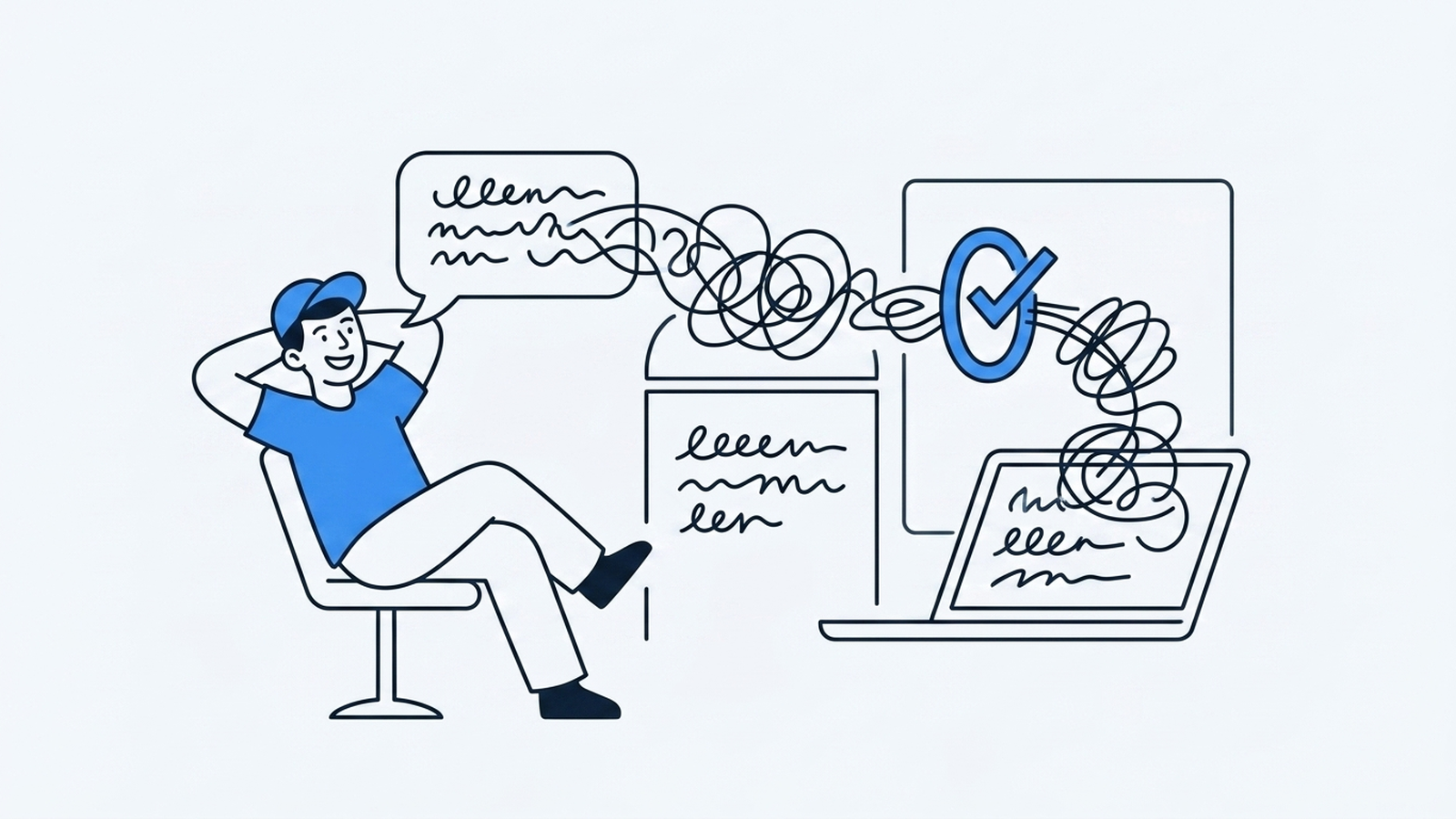
Vibe Coding — Erasing the Friction of Building
Vibe coding, the term Karpathy popularized — describe the intent and the LLM writes the code. What it solved, where it breaks, and how to bolt a verification loop (isolate, run, check) onto it — with code.
Prompting — The First Way We Drove LLMs
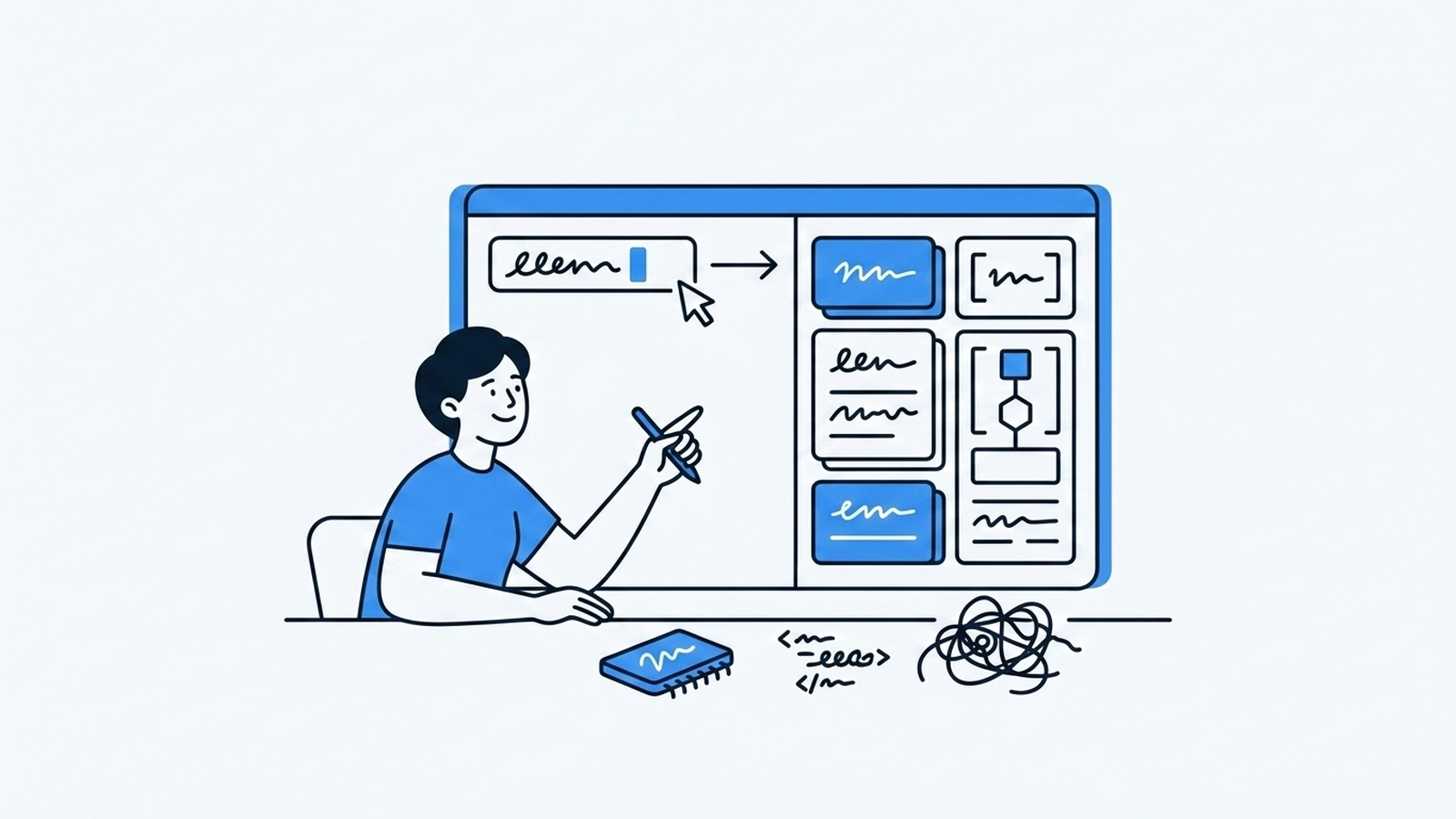
A prompt isn't a magic spell — it's context design. How structured output (tool use) and reference injection stabilize results, and why stateless, toolless prompting called vibe coding and agents into being — with code.
What's MCP?
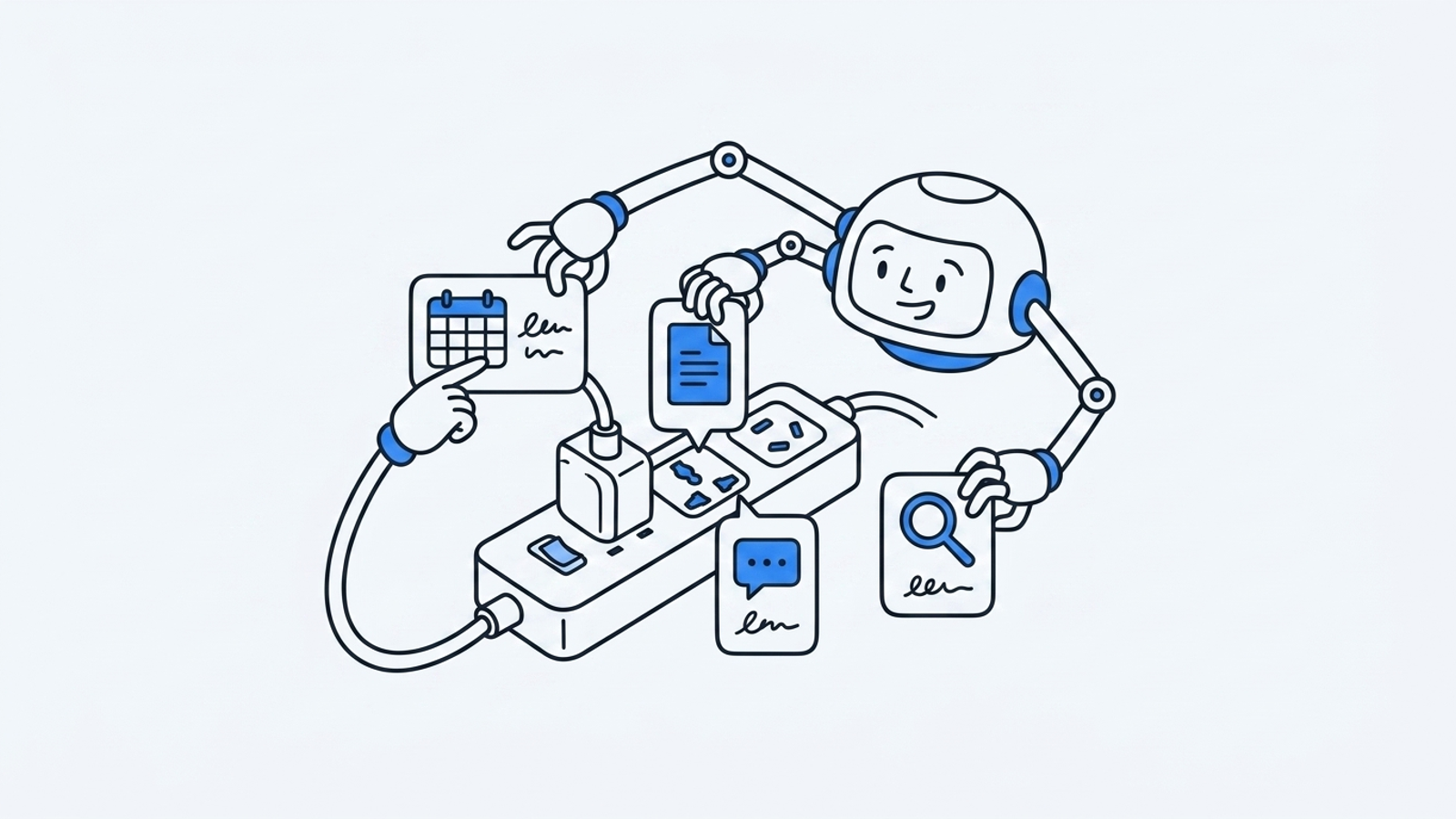
The copy-and-paste era of moving AI output around is ending. We unpack what MCP is and what changes when you connect Trail Studio to an AI, the easy way.
What's an API?
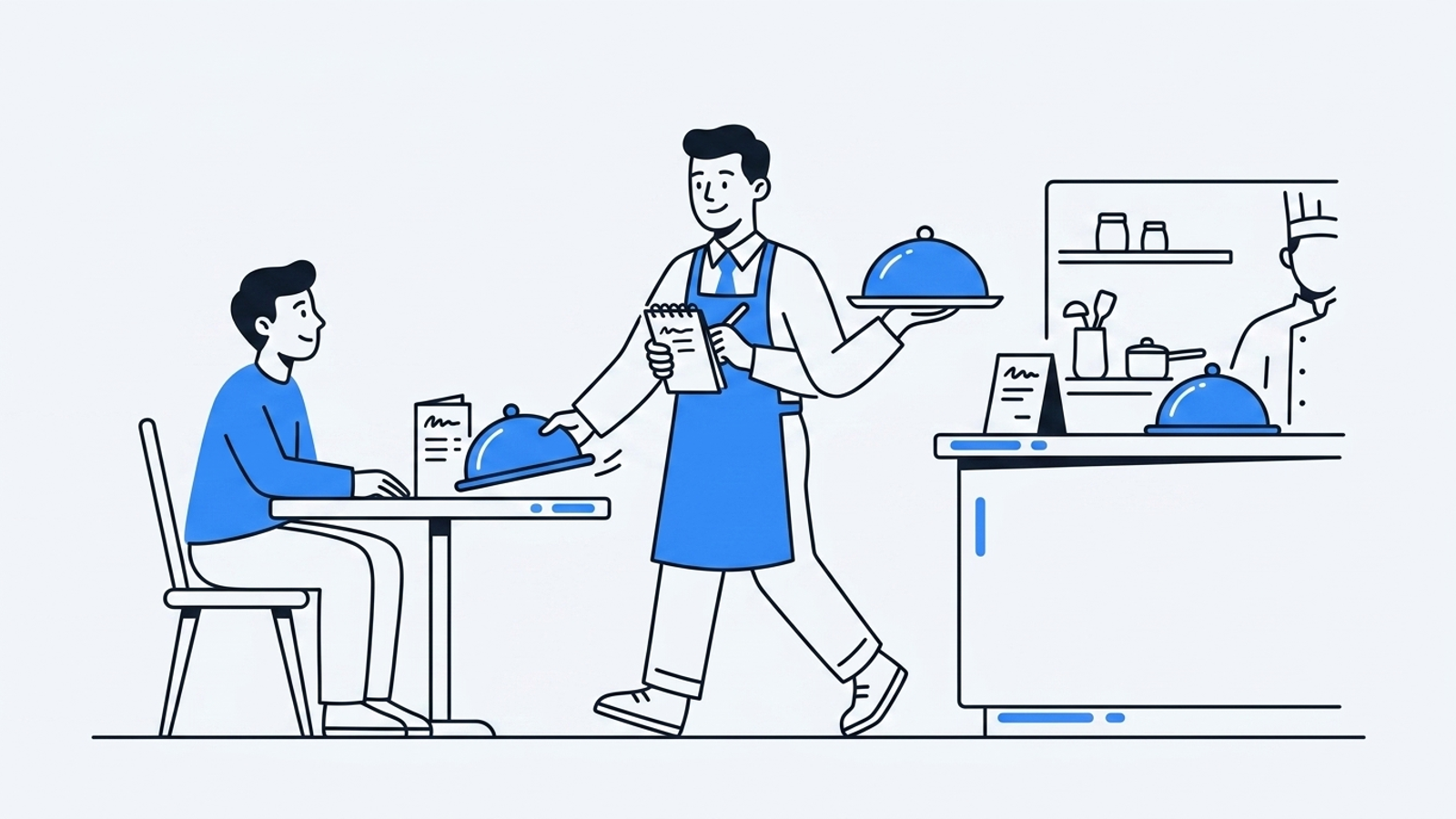
If 'API' has ever sounded intimidating, picture a server and a menu at a restaurant. We unpack what happens behind the apps you use every day, the easy way.
What Are AEO and GEO?
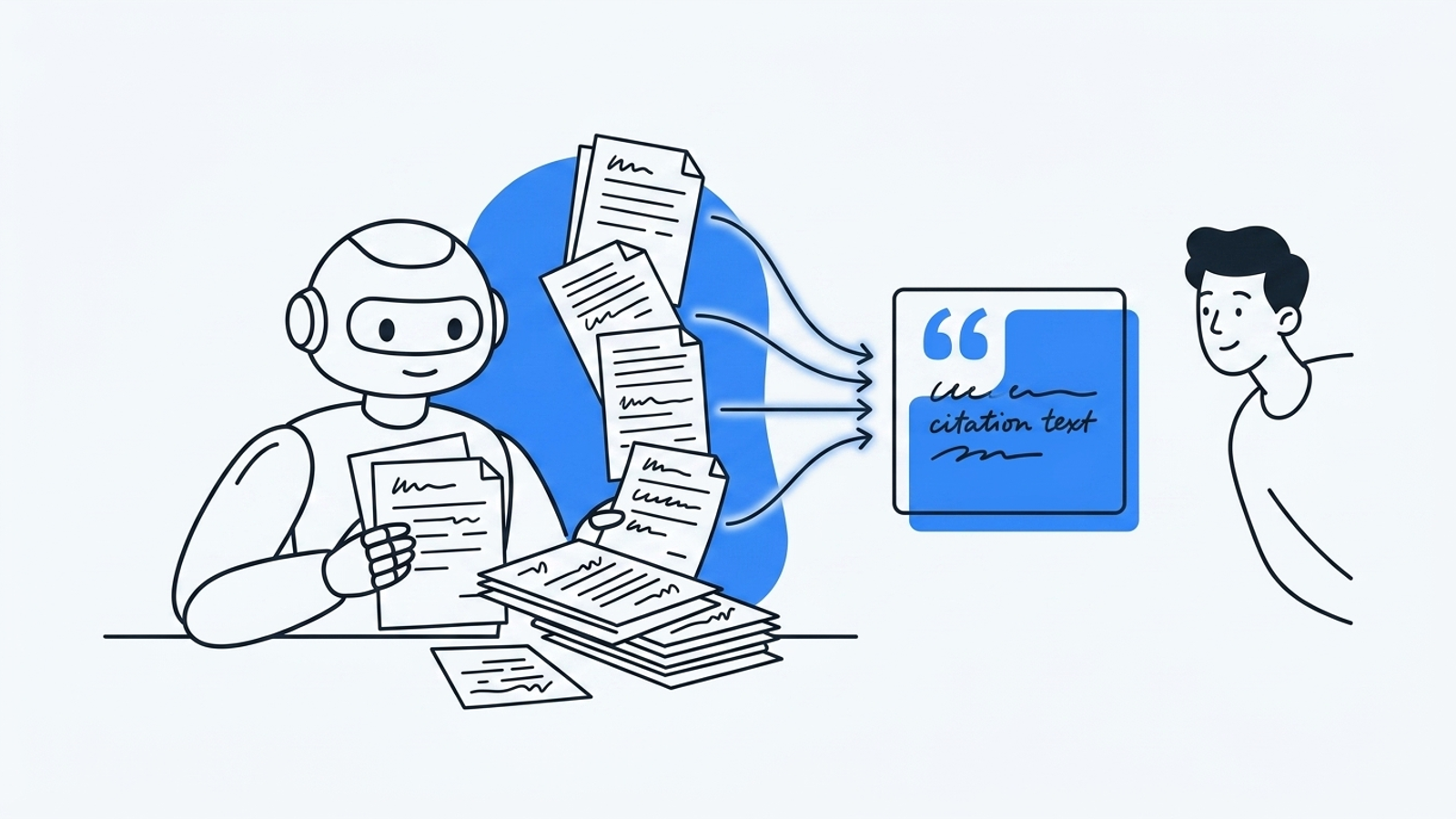
Search is shifting from ten links to a single answer. Here's what makes a post AI cites (AEO), what makes content AI trusts and picks (GEO), and a practical checklist to get ready.