The same product, but one sentence opens the wallet. Ten persuasion principles—rooted in buying psychology—you can drop straight into your copy, each with an example and the words to use.
10 Psychology Principles That Make Copy Persuade
The same product can be scrolled past or reached for, depending on the sentence. The difference isn't grand writing talent—it's whether you understood why people buy. If copywriting has ever felt like a blank wall, it's usually because the goal of "persuading the customer" was missing.
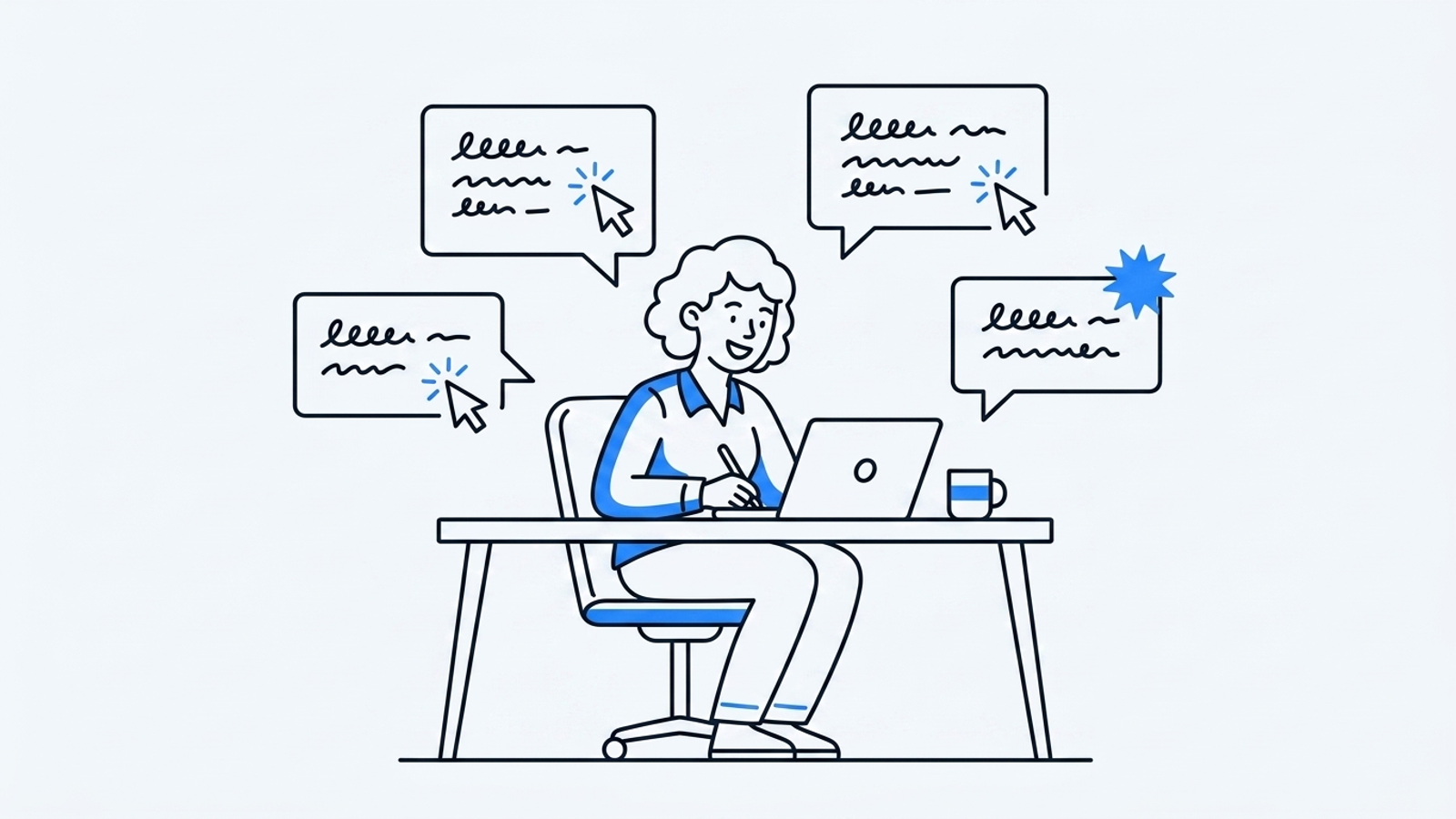
Here are ten principles that show up again and again in books on buying psychology—each with an example you can apply right away and the words to reach for. In one line: lower the effort, surface the loss, make the action concrete.
1. Status Quo Bias
People lean toward leaving things exactly as they are. So a signal that something is "easy and simple" lowers the barrier to acting. Frame the change as small and light.
- Example — "Just do this one thing—anyone can do it."
- Copy words — anyone · anytime · anywhere · just this and you're done · while you sleep · easy · simple
2. Loss Aversion
People feel the fear of losing more than the joy of gaining. Show what they'd miss out on, and the same benefit lands far harder.
- Example — "Lots of people already grabbed it. Are you the only one losing out?"
- Copy words — already · losing out · what only you don't know · the trap · the blind spot · the limit · the thing that won't…
3. Anchoring Effect
The first number people see becomes the reference for everything after. Present the baseline price first, and today's price feels cheaper by comparison. Pin the conditions down with a number.
- Example — "Was 50,000. Today, just 30,000."
- Copy words — just · only · free · no charge · discount · event
4. Caligula Effect
Tell people not to, and they want it more. A forbidding or warning tone makes them stop—and that pause turns into curiosity. Use it only when real value sits right behind it.
- Example — "If you're still using that, don't buy this yet. You might regret it."
- Copy words — don't do · don't buy · you won't need it anymore · throw it out · warning · caution
5. Law of Similarity
People open up to those who feel like them. Empathize first—"I had the same worry"—and what comes next reads like advice, not an ad.
- Example — "That endless dieting? I struggled with it too."
- Copy words — endless · annoying · the worry · couldn't give up · it's not too late · alone
6. The Law of Mehrabian
The impression people see and hear works harder than the words themselves. Use words that paint a scene, and the same sentence stops people mid-stride.
- Example — "The scene that makes you stop and look—see it for yourself."
- Copy words — steals your gaze · eye-widening · blows away · piping hot · to your heart's content · effortless
7. Underdog Effect
People want to root for the one who's trying. Skip the polished pitch and share the honest situation, and you often get more trust back.
- Example — "Honestly, if this doesn't sell, this is the end for us. I'm asking you straight."
- Copy words — I have a favor to ask · please help · honestly · a confession · the truth · the truth is…
8. The Law of Reciprocity
A favor received makes people want to give one back. Hand over something genuinely useful for free before selling, and customers return the gesture with their next action.
- Example — "7 health tips that actually help—free, on us."
- Copy words — the manual · the list · the guide · pro tips · the playbook · the basics
9. The Cocktail Party Effect
In a noisy room, you still hear your own name clearly. Call the reader out directly—"this is about you"—and even someone tuning out will stop to read.
- Example — "If you struggle with skin trouble, just hear me out."
- Copy words — for those who struggle with… · for anyone who wants to… · made for… · for parents · the "X type" · the X generation
10. Social Proof
People follow the choices others make. Show that many people—or someone trustworthy—already chose it, and the hesitation drops.
- Example — "Already used by more than 100 founders."
- Copy words — customer satisfaction · award-winning · proven results · ranked #1 · chosen by…
In short
The ten boil down to one line: lower the effort, surface the loss, make the action concrete. None of these are tricks for fooling people—they're about understanding how the customer's mind actually moves, first.
Copy isn't write-once-and-done. It's changing the words and watching what works better. When every line of your brand stands on the same psychological principles, persuasion becomes design, not luck.
Want consistent, on-brand content? Start with Trail Studio.
More posts
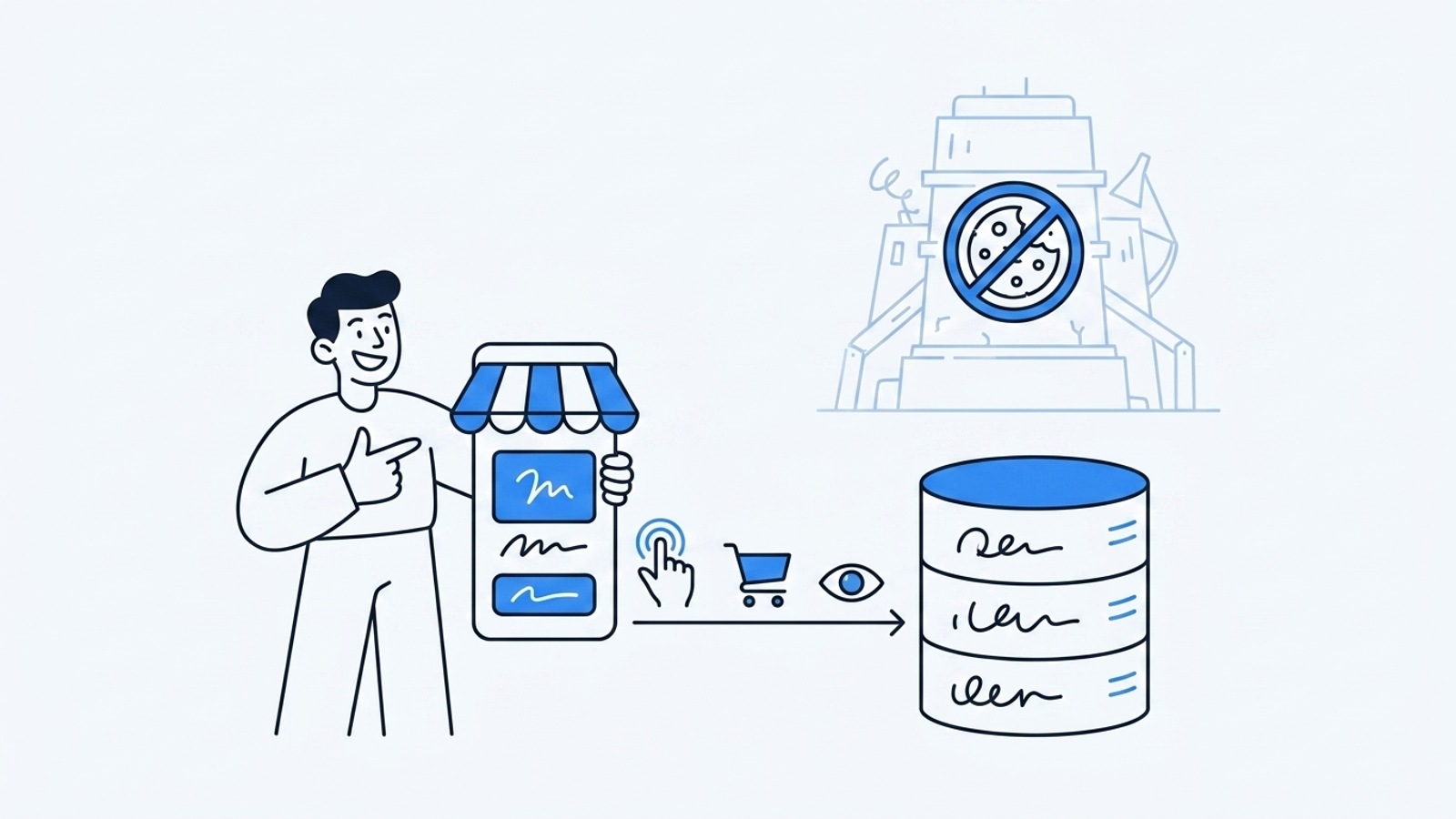
What Is First-Party Data?
As third-party cookies disappear, first-party data reveals customer intent directly. Here's a clear breakdown of what it is and the strategy every marketer needs to adopt.
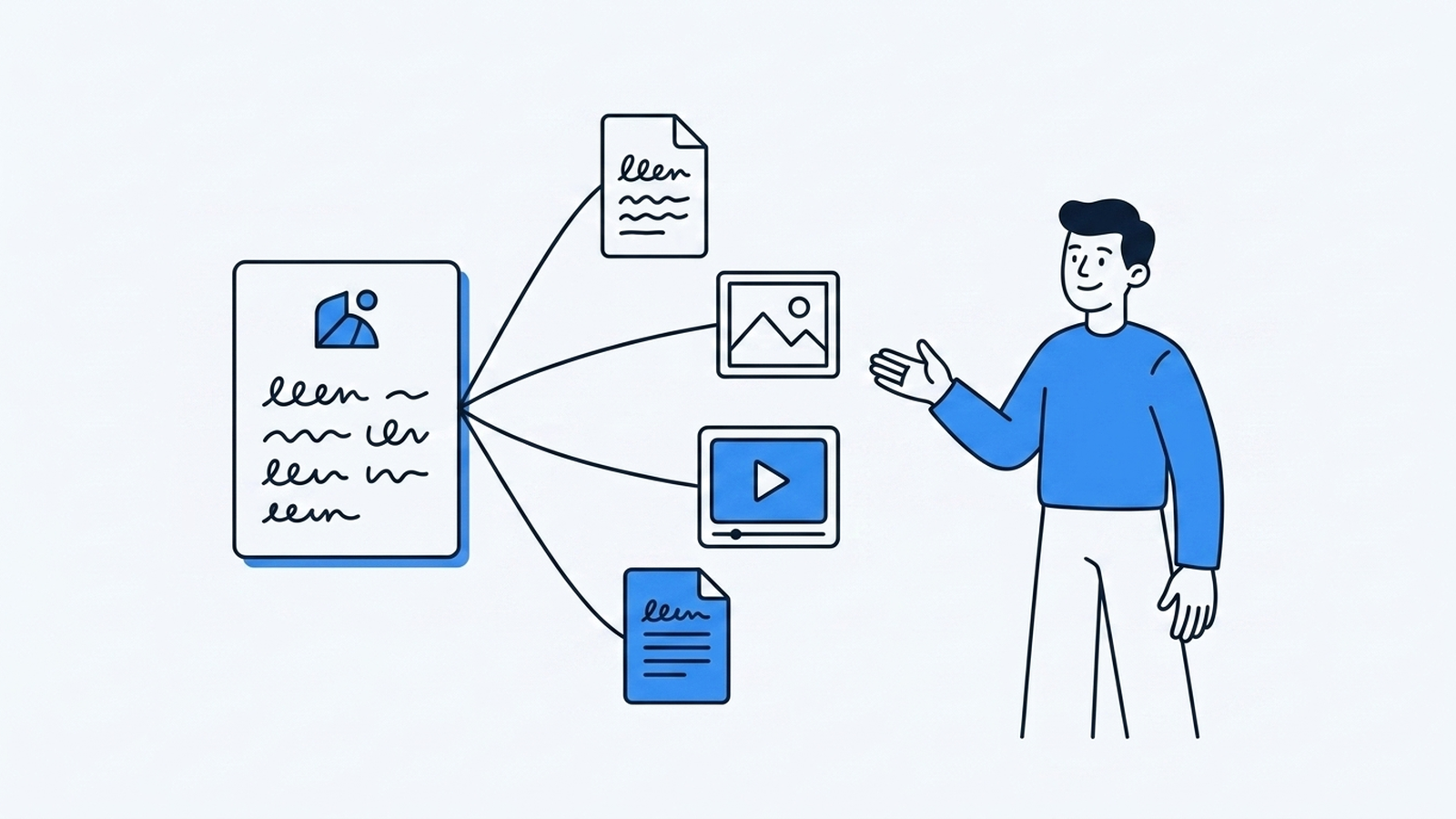
Same AI, Different Results — Why?
Give people the same model and one ships a usable draft in ten minutes while another spends an hour fixing it. The gap isn't skill — it's context design. Here's how teams raise the floor on AI.
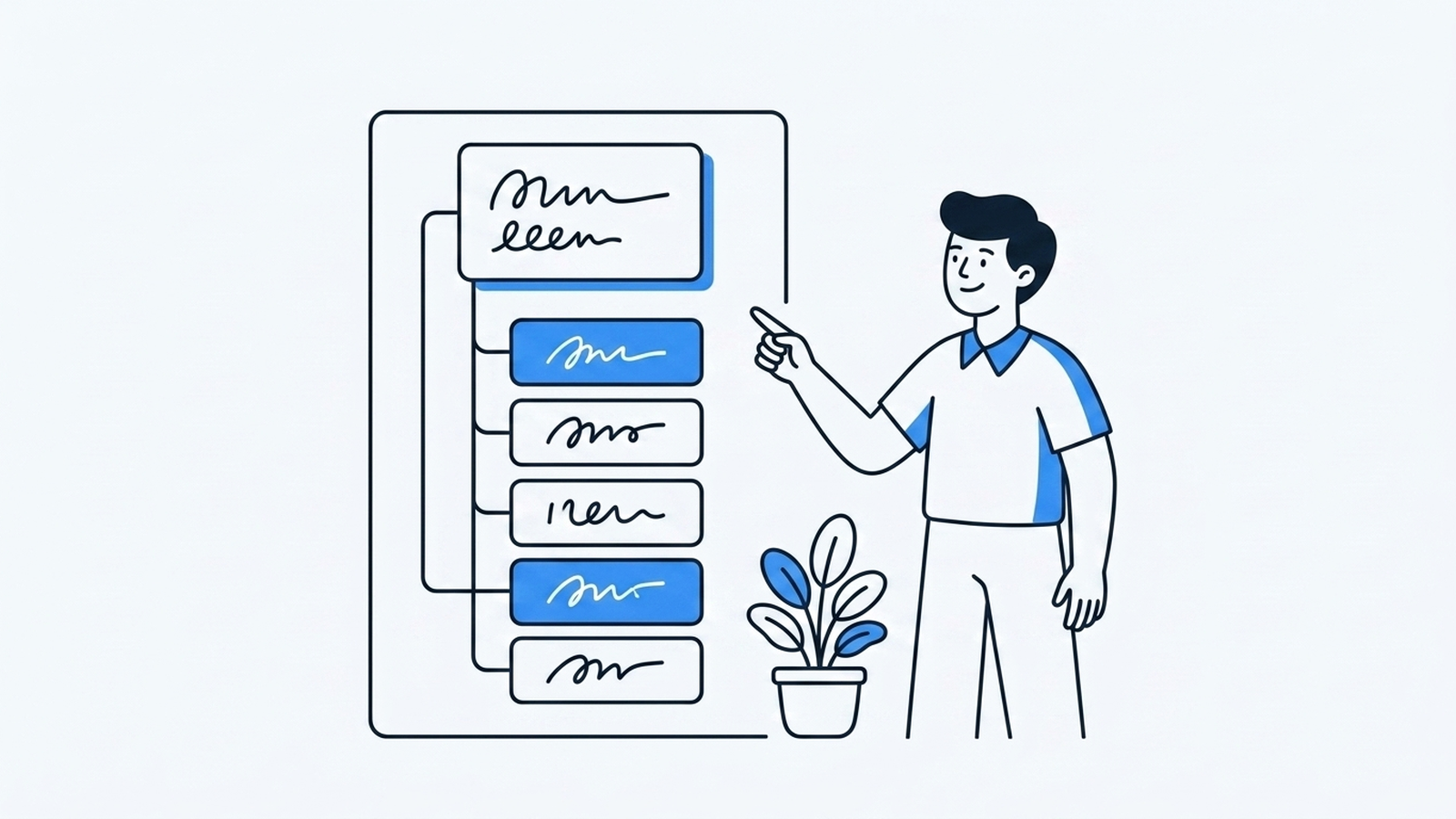
Efficiency Isn't a Grand Project
If you've ever stalled trying to build the perfect automation system first — here's an approach to content-ops efficiency that starts by re-examining the small, repeated tasks.