Five practical prompts that clear the planning bottleneck
5 AI Prompts That Transform CRM Marketing
Sound familiar? You spend all your time gathering and analyzing background data, and by the time execution actually rolls around, you've got nothing left in the tank. AI prompts aren't just a tool for generating copy — they're a partner that structures the way marketers think. Ask the right questions, and planning bottlenecks disappear.

The ability to work effectively with generative AI — what you might call prompt fluency — is quickly becoming a core competitive skill for marketers. Here are five techniques you can put to work right away.
At a Glance
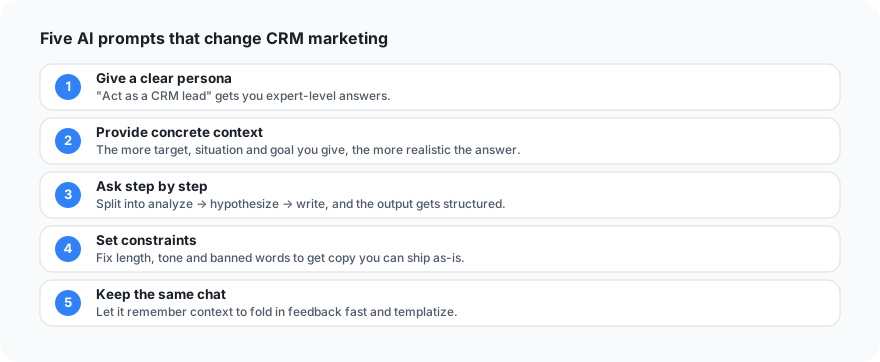
1. Give the AI a Clear Persona
Assigning a role upfront changes the quality of every answer. Tell it to respond "as an expert who knows marketing frameworks," and instead of vague generalities you get output that actually resembles real-world practice.
Example — "You are a CRM marketing team lead who prioritizes data-driven decision-making. Design a push notification strategy to improve the conversion rate of cart-abandonment customers."
2. Provide Specific Context
The more detail you give about your business situation, target audience, and campaign goal, the more realistic and actionable the response. Without context, AI has no choice but to answer with generic averages.
Example — "We run a vegan cosmetics e-commerce brand targeting women in their twenties. We want to encourage customers who haven't made their first purchase within 7 days of signing up to use their welcome coupon."
3. Ask in Steps
Don't throw a complex task at the AI all at once — break it down. Splitting the work into target analysis → hypothesis building → copywriting keeps the output structured and easy to act on.
Example — "Start by analyzing the top 3 reasons customers aren't using the welcome coupon and are dropping off. Then, write response copy for each reason in bullet points."
4. Set Constraints
Specifying banned words, tone of voice, and channel limitations produces copy you can actually use right away. Without constraints, output can look polished but be completely unusable in practice.
Example — "Format it for an app push notification, 20 characters or fewer. Drop words like 'free' or 'freebie,' and keep the tone polished and refined."
5. Stay in the Same Conversation Thread
Keeping the conversation going means the AI remembers earlier context. You can incorporate feedback quickly, and any thread that produces great results can be saved and reused as a template.
Example — "That last message was too focused on information delivery. Rewrite it as benefit-driven copy that sparks curiosity and drives app clicks."
The Bottom Line
The real key to AI prompts is knowing how to ask well. Assign a role, fill in the context, break things into steps, add constraints, and keep the conversation going — and the same AI will deliver dramatically better results. Going forward, CRM marketing will increasingly hand off repetitive execution to AI, freeing marketers to focus on the strategies that differentiate the customer experience.
On-brand, consistent content — from strategy to publishing, all in one place. Get started at Trail Studio.
More posts
10 Psychology Principles That Make Copy Persuade
A single sentence can decide the sale. Ten buying-psychology principles for copywriting, each with an example and the words to use.
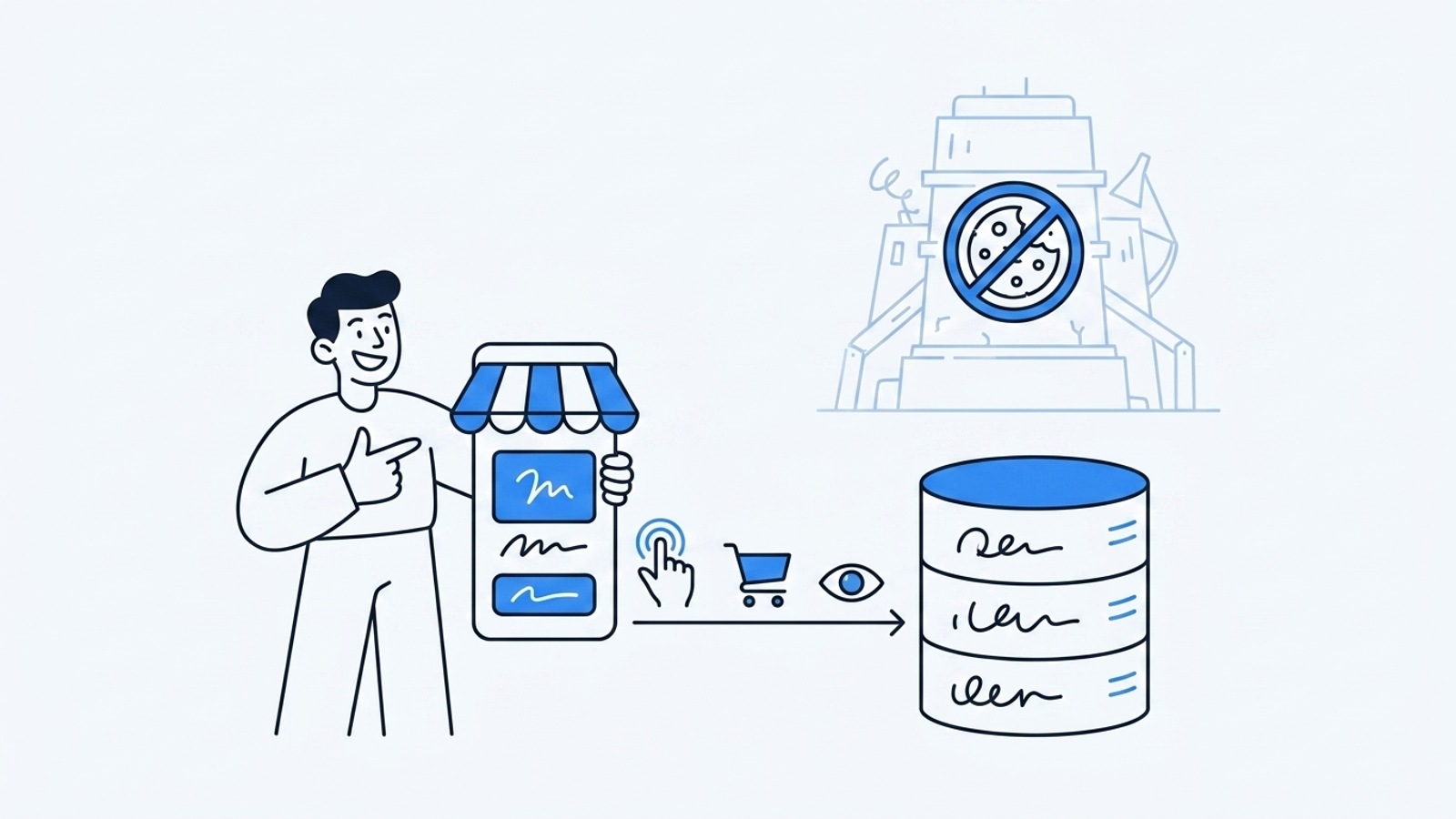
What Is First-Party Data?
As third-party cookies disappear, first-party data reveals customer intent directly. Here's a clear breakdown of what it is and the strategy every marketer needs to adopt.
Same AI, Different Results — Why?
Give people the same model and one ships a usable draft in ten minutes while another spends an hour fixing it. The gap isn't skill — it's context design. Here's how teams raise the floor on AI.