Same content, but a single word decides the click. Six proven copywriting principles—with before-and-after examples—that lift clicks without misleading anyone.
6 Principles of Marketing Copy That Gets Clicks
The same message can be scrolled past or tapped depending on the words. The difference usually comes down to a single word, not grand copywriting talent. And the key point is this: you can lift clicks without exaggerating or misleading anyone.
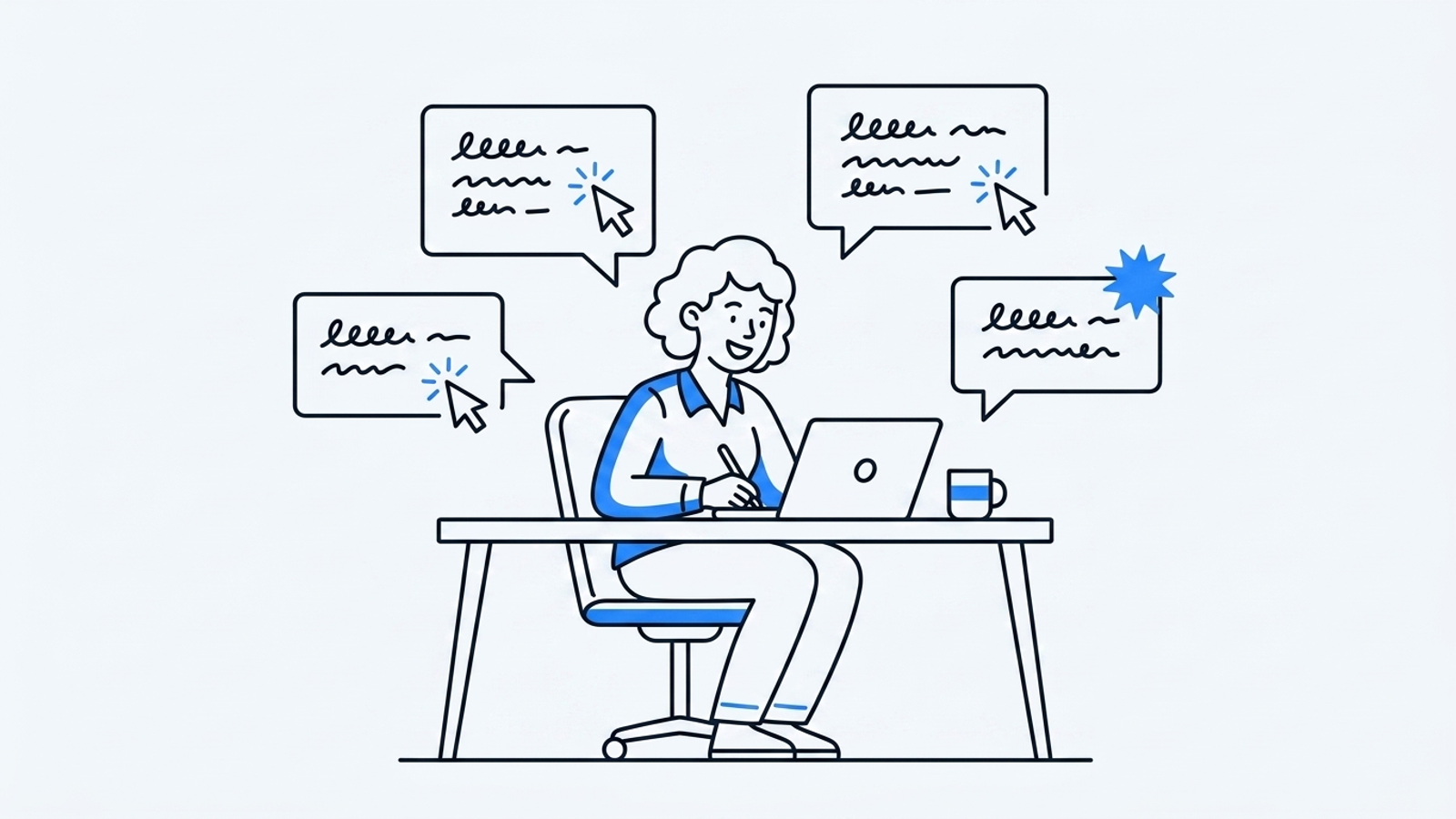
Here are six repeatedly-validated principles, each with a before and after. The thread running through all six: lower the effort, make the reward certain, make the action concrete.
At a glance
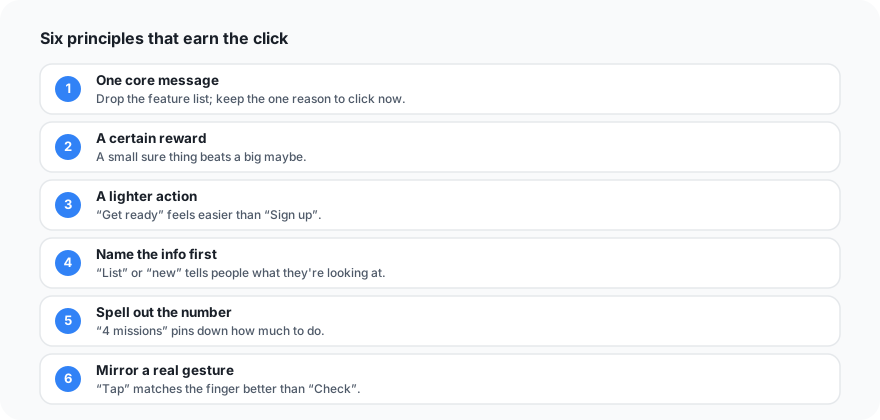
1. Say one core thing
It's tempting to list every benefit your service offers. But copy is strongest when it focuses on the single reason to click right now. The more you pile on, the fewer clicks you get.
- Before — "See all the benefits and earn new sign-up rewards"
- After — "Couple-type test is here—tap 10 questions, see your result"
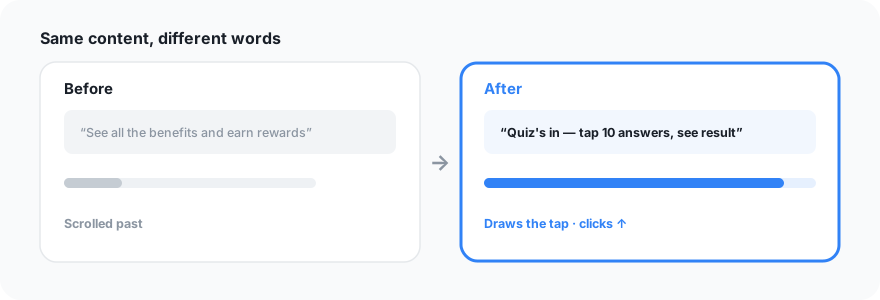
Drop the list, keep one action, and impressions and clicks often jump several times over.
2. Promise a certain reward
"Up to ○○" looks big, but it feels like an ad because the payoff is uncertain. People respond more to a sure reward than to a big maybe. Lead with the minimum, not the maximum.
- Before — "Get up to a 50,000 coupon"
- After — "Get a 100 coupon, guaranteed"
"As much as you want" loses to "You're guaranteed at least one."
3. Make the action feel light
The same action carries different weight depending on the verb. "Sign up" feels heavy; "get ready" or "start" feels light. Pick the verb that lowers the perceived barrier.
- Before — "Sign up in 3 minutes"
- After — "Get ready in 3 minutes"
Same thing happens—but the threshold the user feels is different.
4. Name the kind of info first
Before explaining a complex benefit, tell people what kind of information this is. A short cue like "it's a list" or "it's new" speeds up understanding and lifts clicks.
- Before — "Check the coupons you can get this month"
- After — "This month's coupon list is here—see them all"
Just adding "new" can multiply the click rate.
5. Put conditions and actions in numbers
"Take the challenge and get rewarded" is vague. The moment a user pauses to wonder "how much do I have to do?", the click is gone. Pin down the amount with a number.
- Before — "Take this month's missions and earn points"
- After — "Finish 4 missions and earn points"
A concrete number like "4 missions" or "8 blanks" helps people decide "that's doable."
6. Echo an everyday gesture
A word that matches the real motion of your hand is understood instantly—no extra mental translation needed.
- Before — "Check the quiz answer"
- After — "Tap the quiz answer"
"Tap" maps to the actual screen press, so the same quiz gets tapped more.
In short
The six boil down to one line: lower the effort, make the reward certain, make the action concrete. A single word can move click-through and conversion a lot—and you can earn that lift without misleading anyone.
Copy isn't write-once-and-done. It's changing small phrasings and watching what works better. When every line of your brand speaks from the same principles, clicks become design, not luck.
Want consistent, on-brand content? Start with Trail Studio.
More posts
10 Psychology Principles That Make Copy Persuade
A single sentence can decide the sale. Ten buying-psychology principles for copywriting, each with an example and the words to use.
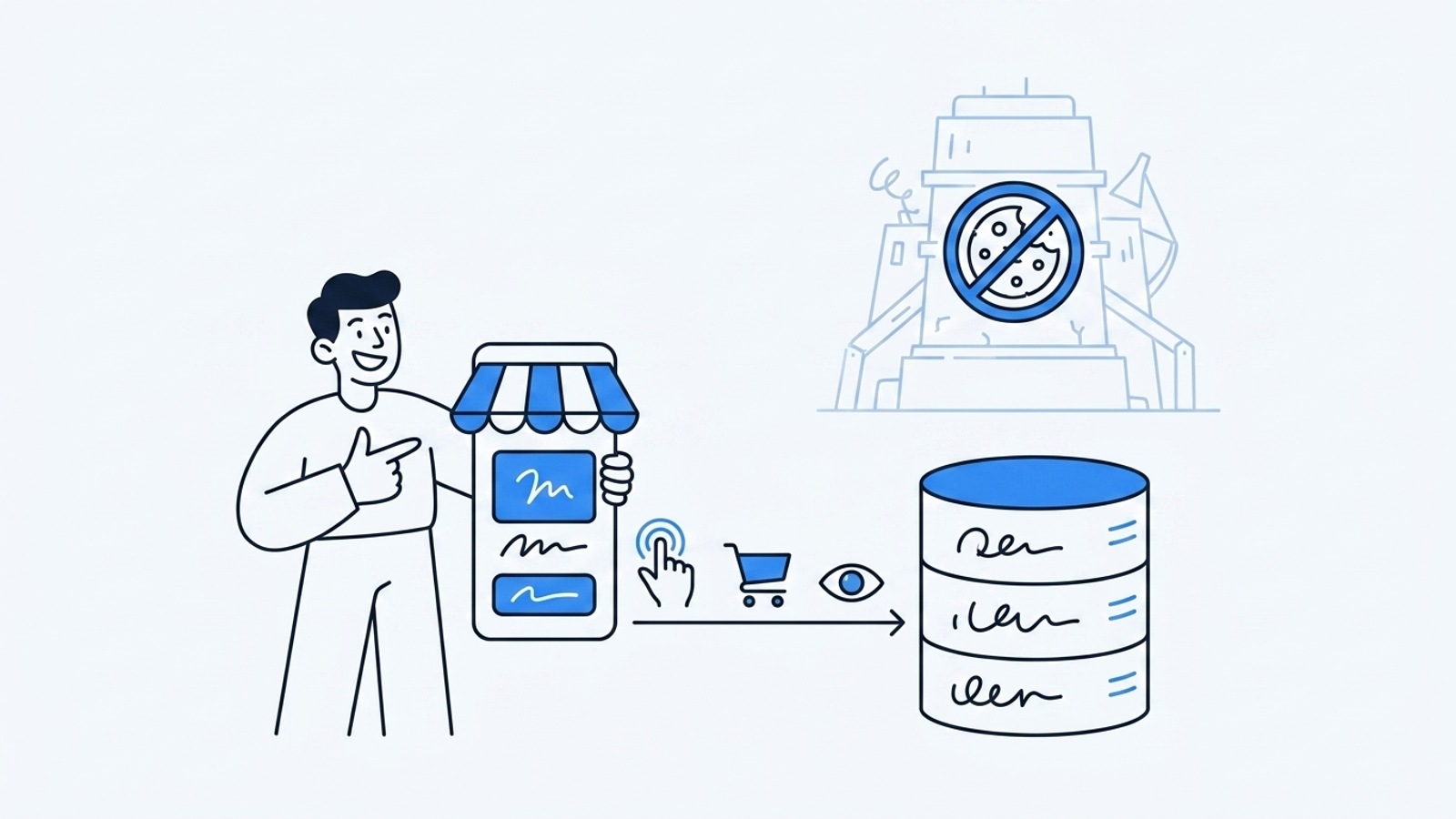
What Is First-Party Data?
As third-party cookies disappear, first-party data reveals customer intent directly. Here's a clear breakdown of what it is and the strategy every marketer needs to adopt.
Same AI, Different Results — Why?
Give people the same model and one ships a usable draft in ten minutes while another spends an hour fixing it. The gap isn't skill — it's context design. Here's how teams raise the floor on AI.